
Book a Free Consultation Now
Would you like to know more about this topic?
Contact us on WhatsApp and get a free consultation from our experts
Contact on WhatsApp NowSponsor Meaning
The word “Sponsor” refers to a person, brand, or organization that financially supports or promotes content, events, or messages in order to reach a wider or more targeted audience. In digital marketing, sponsorship means paying a platform to display content to users who would not normally see it organically. A Sponsored Message follows this concept by allowing brands to pay for direct communication instead of relying on unpaid reach.
From a marketing perspective, sponsorship is not just about paying money—it’s about strategic visibility. Businesses sponsor content to gain credibility, expand reach, and control how their message is delivered. At Nofal SEO, sponsorship is used as part of a larger growth strategy to ensure every paid message serves a clear business objective and generates measurable value.
What are sponsored messages?
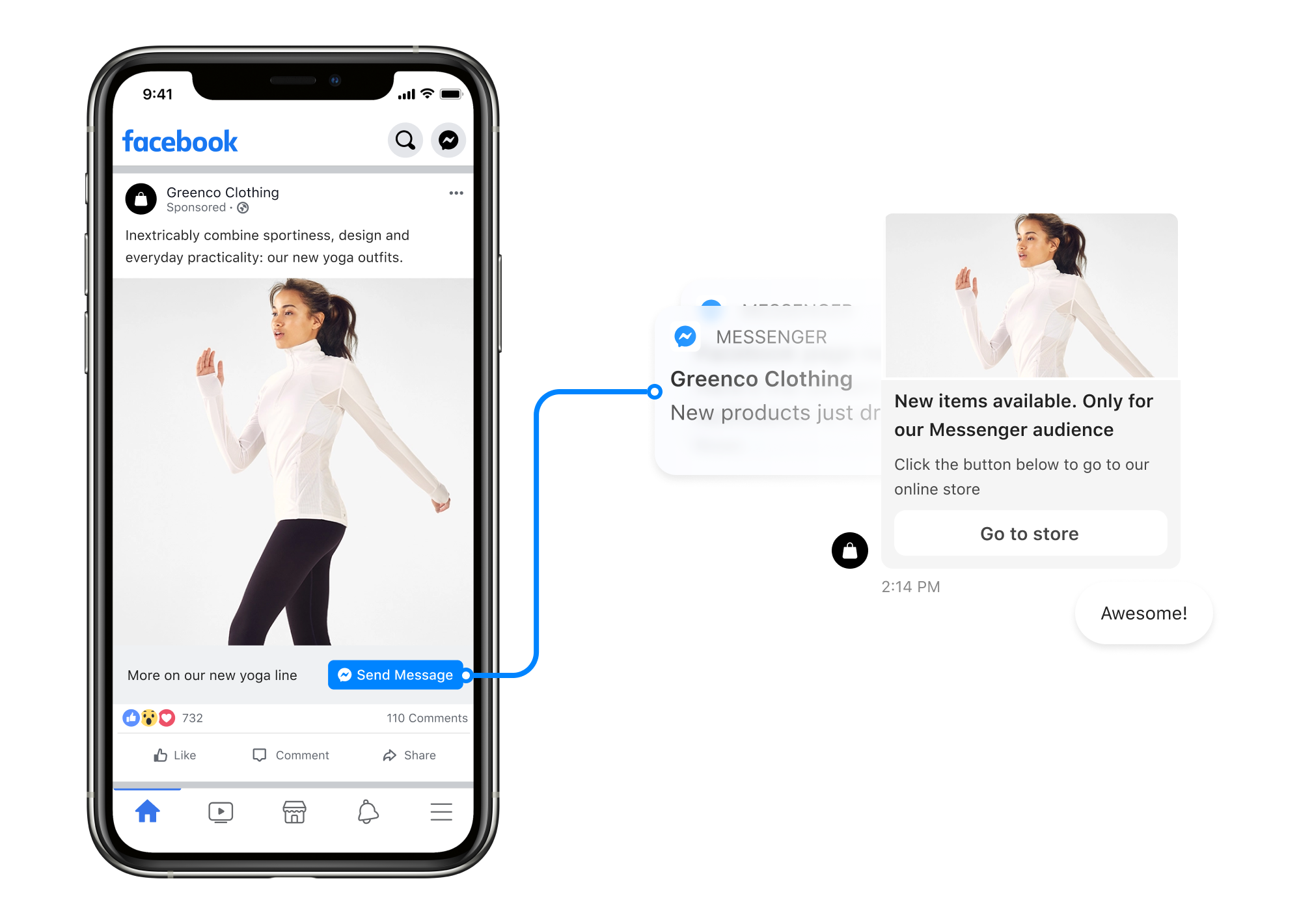
Sponsored messages are paid messages sent directly to users through messaging platforms such as Facebook Messenger or LinkedIn inboxes. Unlike regular ads that appear in feeds, these messages land inside the user’s private inbox, which significantly increases visibility and open rates. A Sponsored Message is typically delivered only to users who have already interacted with the brand or fit specific eligibility rules set by the platform.
These messages are commonly used for follow-ups, promotions, reminders, or re-engagement campaigns. Because they feel more personal than traditional ads, sponsored messages often achieve higher response rates. Nofal SEO uses sponsored messages strategically to reconnect businesses with warm audiences and turn previous interactions into real conversations and conversions.
What is a sponsored message on Facebook?
A sponsored message on Facebook is a paid advertising format that allows businesses to send direct messages through Facebook Messenger to users who have previously contacted their page. Unlike traditional ads that target cold audiences in feeds, this approach focuses on re-engaging existing conversations, which naturally leads to higher trust and stronger response rates. A Sponsored Message is only delivered after Facebook confirms that the recipient is active and available on Messenger, ensuring better timing, improved user experience, and reduced message fatigue.
This ad format is especially powerful because it feels personal and relevant rather than promotional. Businesses use it to maintain relationships, remind users of previous interactions, and guide them toward the next step in the customer journey. At Nofal SEO, sponsored messages on Facebook are strategically planned, carefully written, and precisely timed to achieve the highest possible engagement while keeping advertising costs low.
Key characteristics of Facebook sponsored messages:
-
Sent only to users who previously interacted with the business
-
Delivered through Messenger, not the news feed
-
Activated only when users are online and available
-
Ideal for follow-ups, reminders, and warm audience campaigns
-
Lower cost compared to many other ad formats
What is an example of sponsored content?
Sponsored content refers to paid promotional material that is designed to match the style and tone of regular content while clearly representing a brand. It can appear in many forms, such as blog articles, influencer collaborations, promoted social media posts, or direct inbox messages. A Sponsored Message is one of the most effective examples of sponsored content because it reaches users in a private and less crowded environment, making the communication feel more direct and valuable.
For example, a business might send a sponsored message offering a limited-time discount to users who previously asked about a product or service. Because the message is relevant to the user’s prior interest, it feels helpful rather than intrusive. Nofal SEO focuses on creating sponsored content that balances promotion with value, ensuring the message builds trust, encourages interaction, and drives real actions like replies, clicks, and conversions.
Common examples of sponsored content include:
-
Sponsored blog posts published on high-traffic platforms
-
Influencer posts promoting a product or service
-
Promoted social media posts labeled as sponsored
-
Paid inbox messages sent to warm audiences
Why businesses use sponsored messages today
Modern businesses rely on sponsored messages because they combine precision, personalization, and performance. A Sponsored Message allows brands to bypass declining organic reach and speak directly to users who already showed interest, making it one of the most efficient paid communication tools available.
Key reasons businesses use sponsored messages:
-
Higher open and response rates
-
Direct communication with warm audiences
-
Lower cost compared to many ad formats
-
Strong support for lead nurturing and sales
With Nofal SEO, sponsored messages are not sent randomly—they are part of a complete marketing system designed to turn conversations into long-term customer relationships.
How to Create Sponsored Message Ads (Step by Step Guide)
Sponsored Message Ads are one of the most cost-effective advertising formats, especially when your goal is to re-engage people who have already contacted your business. Below is a complete and professional walkthrough of how to create Sponsored Message Ads correctly.
Step 1: Create a New Campaign
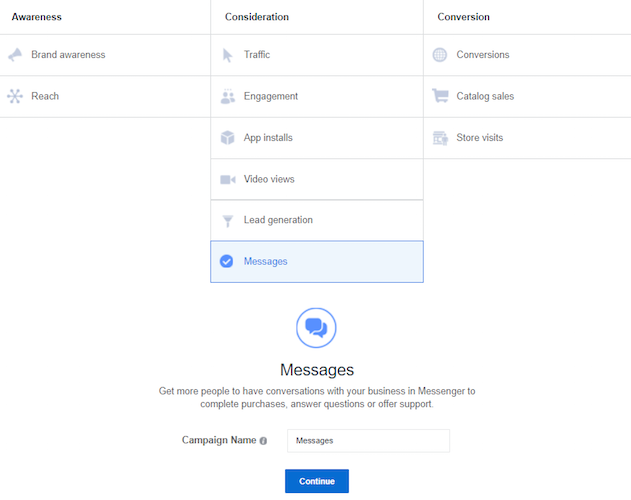
From the Campaigns page inside Ads Manager, click on Create to start a new advertising campaign.
At this stage, you must choose the campaign objective. Select Messages, as this objective is specifically designed for ads that initiate conversations.
Step 2: Name Your Campaign
After choosing the Messages objective, give your campaign a clear and simple name that reflects its purpose.
For example, you can name it Contact or Customer Follow-Up, depending on your goal. Clear naming helps you manage and analyze campaigns later, especially if you run multiple ads.
Step 3: Choose the Ad Type (Sponsored Message)
Now move to the Ad Set level.
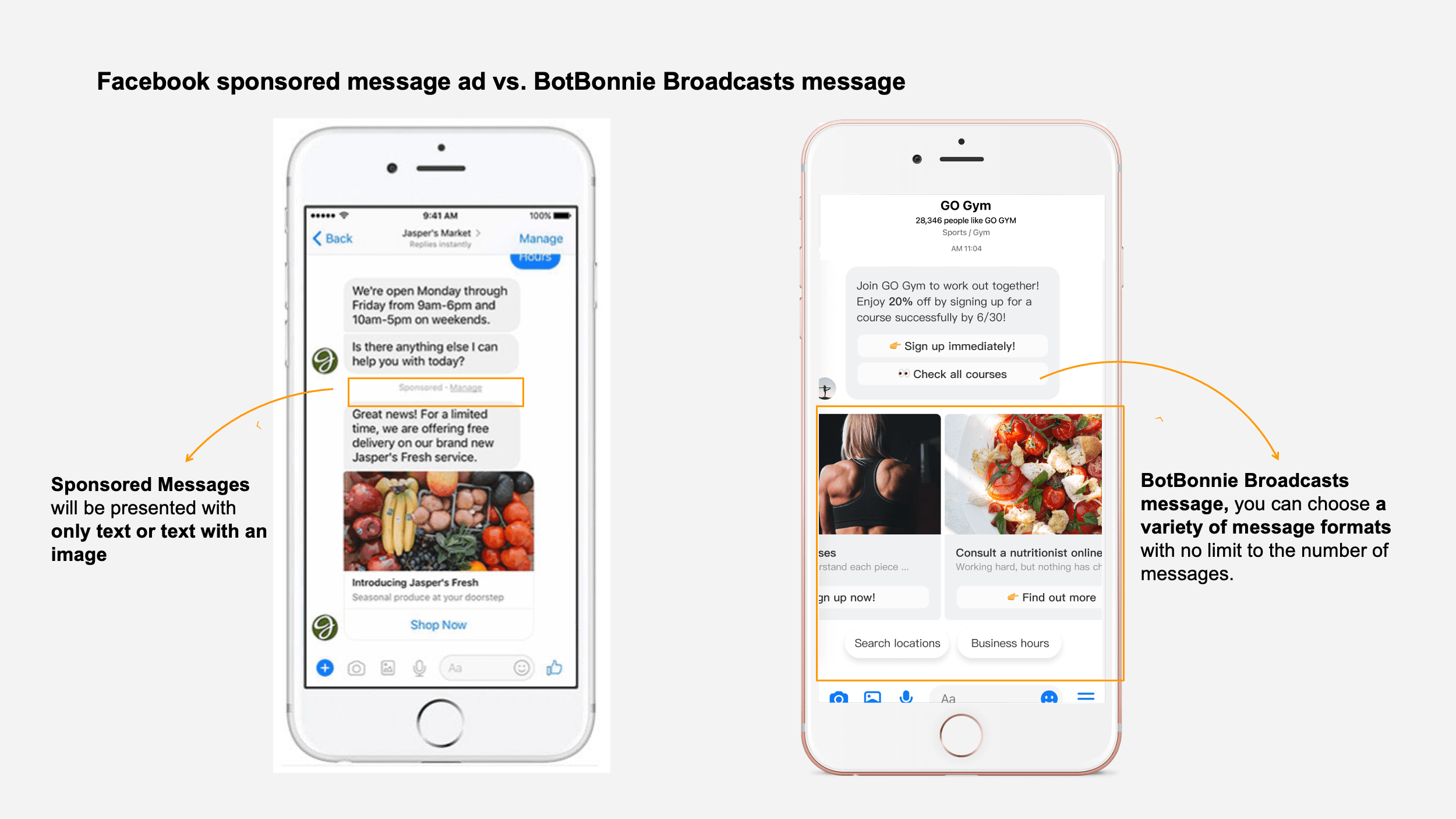
Here, you will find the option to select the ad type. Choose Sponsored Message. This option allows you to send messages directly to people who have already interacted with your business through Messenger.
Step 4: Select the Facebook Page
Next, choose the Facebook Page that you want to use for the Sponsored Message.
This must be a page that has previously received messages from users, as Sponsored Message Ads only work with existing conversations.
Step 5: Set the Budget (Lifetime Budget Recommended)
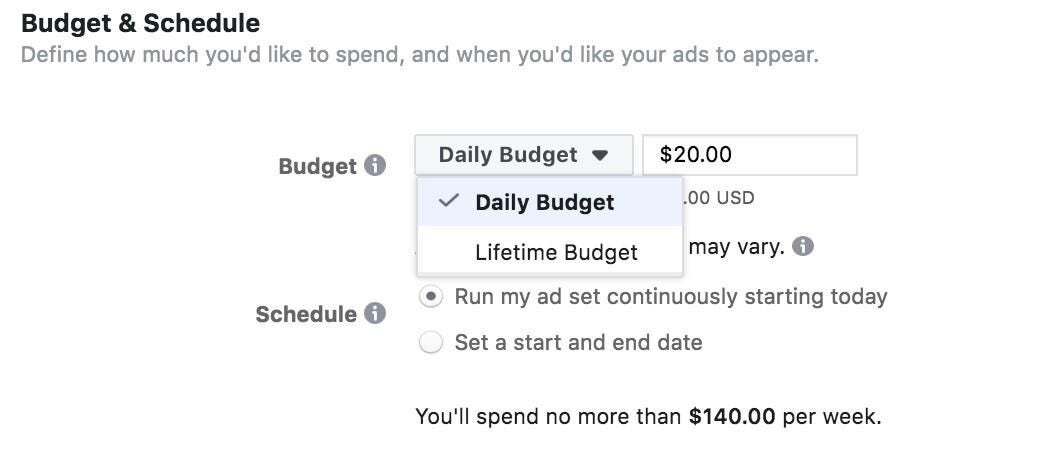
When setting the budget, it is highly recommended to choose a Lifetime Budget instead of a daily budget.
Facebook requires a specific time window to determine when users are active and available to receive messages. Because of this, the campaign duration should be no less than 3 to 4 days, and Facebook usually recommends around 6 days.
You can increase or decrease the duration based on your preference, but shorter periods may limit delivery.
Important note about cost:
Even if you enter a higher budget amount, Facebook will only charge you for the messages actually sent. For example, if your audience consists of 200 people who previously contacted you, Facebook will only send messages to those 200 users—and you will only pay for those deliveries.
This makes Sponsored Message Ads a low-cost and highly efficient ad format.
Step 6: Audience Settings (Automatically Defined)
In the Audience section, you will notice that it is not editable.
This is because Sponsored Message Ads do not allow manual audience targeting. Facebook automatically sends messages only to users who have previously interacted with your page via Messenger.
This ensures:
-
High relevance
-
Better open rates
-
Lower advertising costs
Step 7: Placements (Inbox Only)
Under Placements, Facebook automatically selects Manual Placements.
The only placement available is the Messenger Inbox of users who have contacted your page before.
No other placements (feed, stories, reels) are available for this ad type.
Step 8: Optimization & Delivery
In the Optimization & Delivery section:
-
Optimization is locked to Impressions
-
Delivery type may appear as Accelerated
This means Facebook will deliver messages as soon as eligible users become active and ready to receive them. The campaign may finish within one day or extend over several days depending on:
-
The number of previous contacts
-
User availability and activity
Step 9: Create the Ad (Ad Level)
Now move to the Ad level.
This section is slightly different from other Facebook ads. You will be asked to choose the ad format:
-
Text only
-
Text with image
It is recommended to choose Text and Image to increase attention and engagement.
You will then:
-
Upload the image
-
Write a clear and attractive headline
-
Add an optional image subtitle
Step 10: Choose Customer Actions
In the Customer Actions section, you have two main options:
1. Buttons
You can add action buttons (such as “Contact Us” or “Learn More”) by clicking Add Button.
This is the most commonly used and effective option.
2. Quick Replies
These are predefined questions that appear inside the message. The customer selects one, and you reply manually based on their choice.
Do you need a consultation about this topic?
Contact on WhatsApp
