

Book a Free Consultation Now
Would you like to know more about this topic?
Contact us on WhatsApp and get a free consultation from our experts
Contact on WhatsApp NowGoogle Tag Manager is a free and powerful tool that allows marketers to manage all website tags, tracking pixels, and scripts from a single platform without editing the website code. Its importance lies in simplifying tag management, speeding up deployment, reducing errors, and giving marketers full control over tracking and analytics data. At Nofal Seo, we help businesses implement Google Tag Manager efficiently, optimize tag deployment, and leverage accurate data insights to improve marketing performance and drive measurable results.
Introduction to Tag Manager
Google Tag Manager is a free and powerful tool that simplifies the process of managing tags and tracking pixels on your website or mobile app. It allows marketers to deploy marketing, analytics, and conversion tracking tags without constantly editing the website code, giving them complete control over their digital tracking strategy while saving time and reducing errors.
Using Google Tag Manager tutorial materials, Nofal Seo helps businesses implement tags efficiently and teaches them how to monitor user behavior across platforms. This allows brands to track conversions, measure engagement, and optimize marketing campaigns for better ROI while maintaining complete control over their website data.
Helpful points:
-
GTM reduces dependency on developers for tag implementation
-
Supports multiple types of tags including analytics, marketing, and conversion pixels
-
Enables faster updates and testing of new tracking tags
What is Google Tag Manager used for?
Google Tag Manager is used to manage, deploy, and update tags on websites or mobile apps without editing the source code. It allows marketing teams to install tracking codes for Google Analytics, Google Ads, Facebook Pixel, and other third-party tools quickly, making it easier to collect accurate data on website performance and user behavior.
By leveraging tag management solutions, Nofal Seo ensures that businesses can monitor user interactions, measure marketing success, and optimize campaigns efficiently. We help clients reduce technical errors and maintain a clean, organized tag ecosystem that drives better data-driven decisions.
Helpful points:
-
Streamlines tag deployment across multiple platforms
-
Reduces chances of errors and broken scripts
-
Speeds up website updates without technical expertise
What is Google Tag Manager and why is it tracking me?
Google Tag Manager itself is not tracking users directly; it is a container that holds tracking tags and scripts from analytics and marketing platforms. These tags are what collect data, and it simply organizes and manages them efficiently. This structure allows marketers to implement tracking on websites without modifying code repeatedly.
Using Google Tag Manager fundamentals certification, Nofal Seo trains businesses on understanding the tracking logic and ensures compliance with privacy policies. By managing tags efficiently, businesses can collect actionable insights while respecting user privacy and improving website performance.
Helpful points:
-
GTM organizes multiple tracking codes in one container
-
Ensures easy updates and maintenance of tags
-
Provides visibility on which data is being tracked
What data can be tracked with a Tag Manager?
Google Tag Manager allows tracking a wide range of data including page views, clicks, form submissions, video engagement, scroll depth, e-commerce transactions, and more. By configuring triggers and variables, marketers can collect granular data to better understand user behavior and optimize their digital strategy.
Through Google Tag Manager analytics tracking, Nofal Seo helps companies implement advanced tracking setups, allowing brands to gain deeper insights into customer behavior, optimize campaigns, and increase conversions. This ensures marketing strategies are informed by accurate and detailed analytics.
Helpful points:
-
Track user interactions such as clicks, form submissions, and video views
-
Monitor conversions and revenue for e-commerce sites
-
Use triggers and variables to collect custom metrics
Why is GTM used?
Google Tag Manager is used because it simplifies tag management, speeds up deployment, and reduces dependency on web developers. It is especially beneficial for marketers who need to implement, test, and update multiple tracking tags without technical delays, ensuring accurate data collection across campaigns.
Using Google Tag Manager expert guidance, Nofal Seo helps businesses set up efficient tag management systems that improve data accuracy, streamline marketing workflows, and enhance reporting. Proper GTM implementation reduces errors, improves website speed, and provides full control over analytics and marketing tags.
Helpful points:
-
Reduces reliance on developers for tag updates
-
Supports rapid testing and deployment of new tracking tags
-
Improves accuracy and reliability of marketing data
How tag management solutions can help
Google Tag Manager enables businesses to centralize all their tags in one platform, making it easier to manage analytics, marketing, and tracking scripts. It increases agility by allowing marketers to quickly deploy new tags and update existing ones without touching the site code, saving time and improving campaign performance.
Through Google Tag Manager server side, Nofal Seo provides advanced setups that enhance data accuracy, reduce ad blockers’ impact, and ensure more reliable tracking. Server-side implementations help businesses collect cleaner data and maintain full control over user interactions across platforms.
Helpful points:
-
Centralizes all tracking tags for easier management
-
Reduces the risk of broken code on the website
-
Allows rapid deployment of marketing campaigns
About Google Marketing Platform
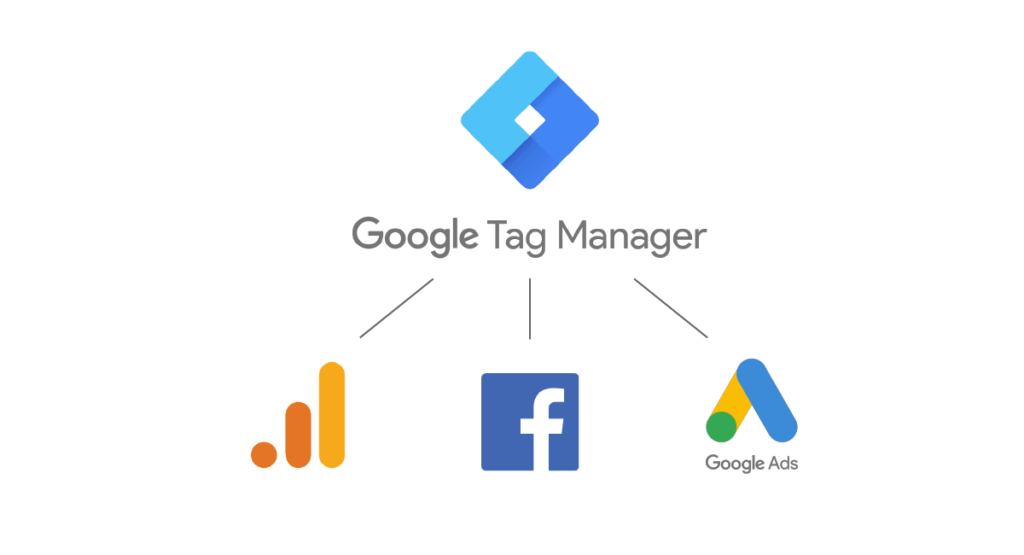
Google Tag Manager is part of the Google Marketing Platform ecosystem, which includes tools for analytics, advertising, and campaign management. GTM integrates seamlessly with other Google services like Analytics, Ads, and Data Studio, allowing businesses to manage marketing technology efficiently from a single dashboard.
Using Google Marketing Platform partners, Nofal Seo helps companies implement GTM within a complete marketing stack, connecting analytics, ad campaigns, and reporting to maximize ROI. This integration allows for smarter campaign decisions based on real-time data insights.
Helpful points:
-
Integrates GTM with Google Analytics and Ads
-
Provides a unified platform for managing campaigns
-
Enables better cross-platform tracking and reporting
Why Link Google Tag Manager to Your WordPress Site?
Google Tag Manager is linked to WordPress sites to give marketers control over all tags without editing theme code directly. It simplifies adding tracking, remarketing pixels, and analytics scripts, ensuring accurate data collection while avoiding developer dependency.
By following Google Tag Manager course by Google, Nofal Seo guides businesses through WordPress GTM installation, tag setup, and testing. This ensures all marketing and analytics tags work efficiently, improving website tracking and enabling smarter marketing decisions.
Helpful points:
-
Full control over tags without editing WordPress code
-
Faster deployment of analytics and marketing pixels
-
Ensures clean, accurate tracking for campaigns
Install Google Tag Manager
Google Tag Manager installation involves creating an account, configuring containers, and adding the GTM code to your website. Once installed, all tags can be managed centrally without repeatedly touching the site code.
Through Google Tag Manager tutorial, Nofal Seo provides step-by-step guidance to install GTM on WordPress or other platforms, ensuring all scripts are correctly placed for maximum performance and minimal errors.
Helpful points:
-
Create GTM account and container
-
Copy code snippets into
<head>and<body> -
Verify installation using Tag Assistant
What is Google Tag Manager? (Revisited)
Google Tag Manager is a free tool that helps marketers manage all website tags from a single interface. It simplifies adding and updating analytics, advertising, and tracking pixels without technical expertise.
With Google Tag Manager YouTube tutorials, Nofal Seo teaches businesses to set up GTM efficiently, implement advanced tracking, and monitor user interactions, helping marketing teams make data-driven decisions faster.
Helpful points:
-
Centralizes tag management
-
Simplifies analytics and advertising tracking
-
Reduces dependency on developers
Create a Google Tag Manager Account
Google Tag Manager accounts are created via the official GTM website. After signing in with a Google account, users can set up containers for websites or apps and configure permissions for team collaboration.
Using Google Tag Manager Fundamentals Skillshop, Nofal Seo trains businesses to create accounts correctly, define container settings, and ensure tags are deployed efficiently for tracking and analytics.
Helpful points:
-
Sign in with a Google account
-
Create a container for web or app
-
Set permissions and roles for team members
Install Google Tag Manager on Your WordPress Site
Google Tag Manager can be installed on WordPress by placing the container code in the <head> and <body> sections of the theme. This allows tags to fire across all pages without additional edits.
Using Google Tag Manager server side setup, Nofal Seo provides advanced configurations to improve performance and data reliability, especially for e-commerce and high-traffic websites.
Helpful points:
-
Paste GTM code in theme header and body
-
Verify with Tag Assistant extension
-
Enables centralized tag management
Add Google Tag Manager Code to WordPress Theme
Google Tag Manager code must be added carefully to WordPress theme files. Place the first snippet in <head> and the second immediately after <body> to ensure all tags load correctly.
Nofal Seo helps clients follow this process step by step, avoiding common mistakes that can break tracking and ensuring accurate marketing data collection.
Helpful points:
-
Identify
<head>and<body>in theme editor -
Paste GTM code snippets in correct positions
-
Test using Tag Assistant for proper implementation
Verify Google Tag Manager Installation
Google Tag Manager installation verification is essential to ensure tags are firing correctly. Use the Tag Assistant extension or preview/debug mode to confirm all triggers and variables are working.
Through Google Tag Manager analytics tracking, Nofal Seo guides clients to test and validate installations, ensuring no data is lost and all conversions and user actions are tracked accurately.
Helpful points:
-
Use Tag Assistant Chrome extension
-
Enable debug and preview mode
-
Confirm all tags fire as expected
Google Tag Manager Is Now Connected
Google Tag Manager is fully connected to your site once code installation and verification are complete. At this stage, marketers can add new tags, triggers, and variables without touching the site code again.
With Google Tag Manager expert guidance, Nofal Seo helps businesses expand tracking, integrate analytics, and optimize campaigns for better ROI and marketing insights.
Helpful points:
-
Add or update tags without editing code
-
Integrate with Google Analytics, Ads, and third-party tools
-
Streamline campaign tracking and optimization
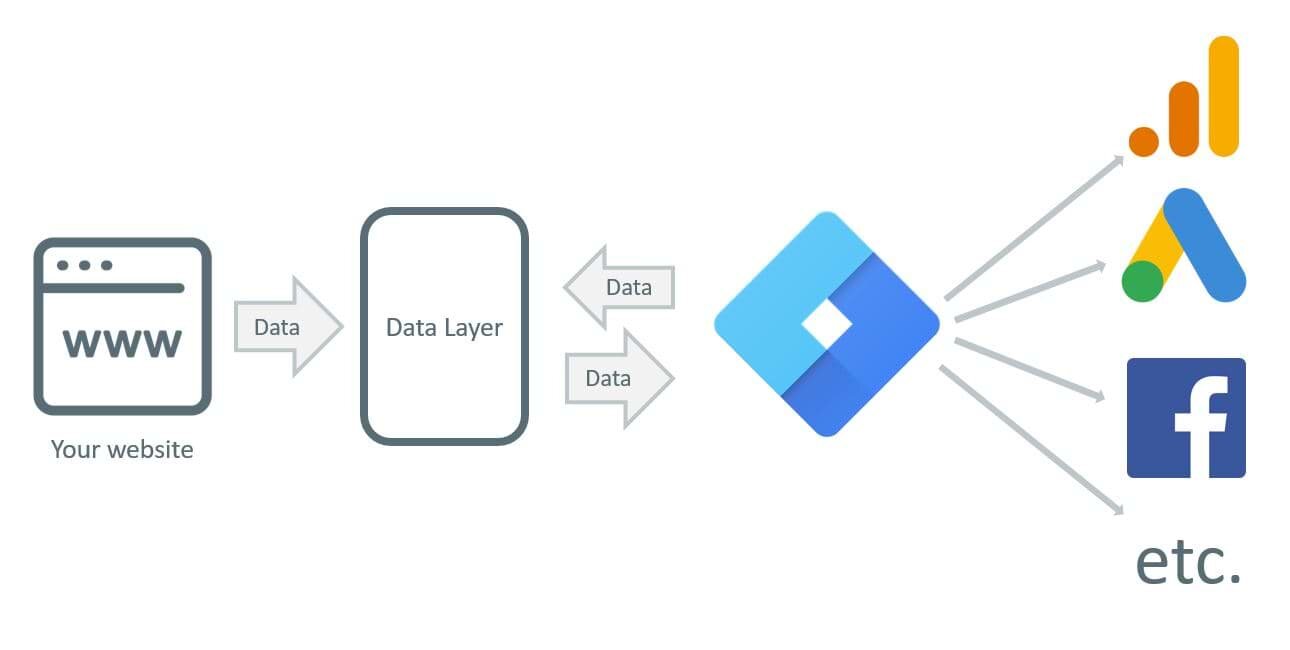
How Google Tag Manager Works
Google Tag Manager is a container-based tool that allows marketers to manage all tracking tags and scripts on a website or app without directly modifying the site’s code. Here’s a detailed step-by-step explanation of how it works:
Step 1: Create a GTM Account and Container
-
Go to the Google Tag Manager website.
-
Sign in with your Google account or create a new one.
-
Click “Start Free” and then “Add a New Account”.
-
Enter your account name (usually your company name) and select your country.
-
Create a container for your website or app and select the platform (Web, iOS, Android, or AMP).
Explanation: The container is like a box that holds all your tags. Each website or app gets its own container, which simplifies managing multiple tracking codes.
Step 2: Install the GTM Code on Your Website
-
After creating the container, Google Tag Manager provides two code snippets.
-
The first snippet should be placed as high as possible in the
<head>section of your site. -
The second snippet should be added immediately after the opening
<body>tag.
Explanation: Installing these snippets ensures GTM can fire tags on all pages of your website without manually editing code every time you add a new tag.
Step 3: Add Tags to Your Container
-
Tags are snippets of code for analytics, marketing, or conversion tracking.
-
Common tags include Google Analytics, Google Ads, Facebook Pixel, and third-party marketing tags.
-
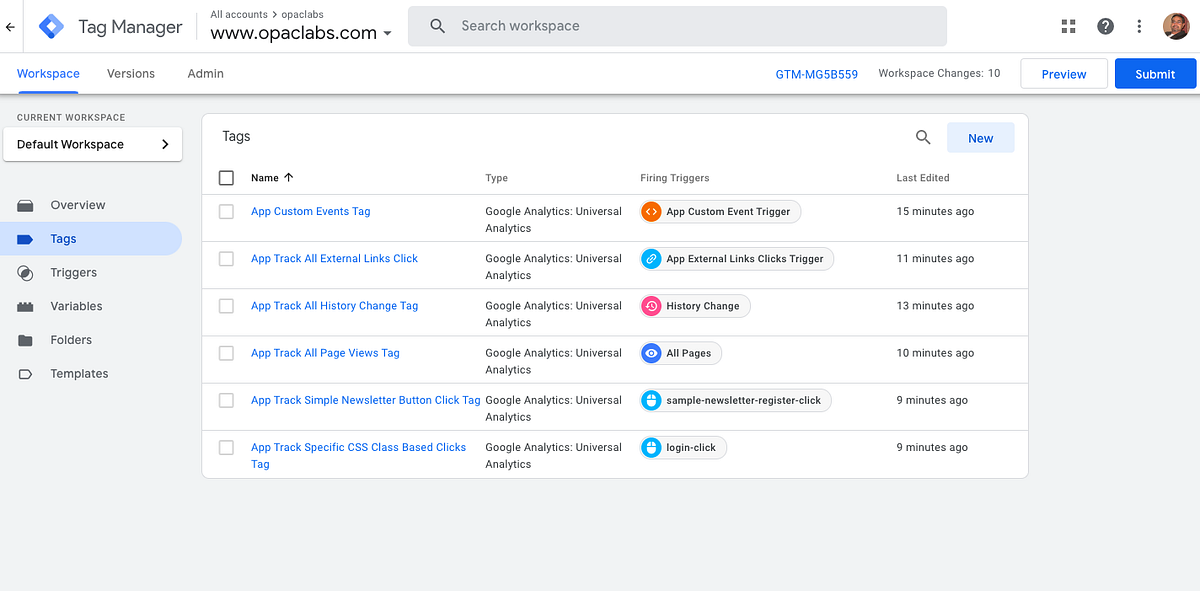
In GTM, click “Add a New Tag”, select the tag type, and configure its settings.
Explanation: Tags tell GTM what actions to track, such as page views, clicks, form submissions, or transactions.
Step 4: Configure Triggers
-
Triggers define when and where a tag should fire.
-
Examples of triggers include:
-
Page View → fires when a page loads
-
Click → fires when a user clicks a specific button or link
-
Form Submission → fires when a form is submitted
-
-
Assign triggers to your tags in the GTM interface.
Explanation: Triggers control the conditions for firing tags, ensuring tracking happens only when desired.
Step 5: Set Variables (Optional but Recommended)
-
Variables store dynamic values used by tags and triggers.
-
Examples: page URLs, click text, transaction values.
-
Create variables in GTM and reference them in tags or triggers.
Explanation: Variables make your tracking more flexible and precise, capturing dynamic data from user interactions.
Step 6: Preview and Debug
-
Before publishing, use GTM’s Preview Mode to test your tags and triggers.
-
GTM opens a debug console showing which tags fire and when.
-
Fix any errors before going live.
Explanation: This ensures your tags work correctly and prevents incorrect or missing tracking.
Step 7: Publish Your Container
-
After testing, click “Submit” in GTM.
-
Choose a version name and description for your container.
-
Publish the container to make your tags live on your website.
Explanation: Publishing activates all configured tags, triggers, and variables so they start collecting real data.
Step 8: Monitor and Optimize
-
Check analytics platforms (Google Analytics, Ads, etc.) to verify data is being captured correctly.
-
Adjust triggers, tags, or variables if needed to improve accuracy.
-
GTM allows updating tags without changing the website code in the future.
Explanation: Continuous monitoring ensures marketing campaigns are tracked accurately and allows for optimization of conversion and engagement tracking.
Implementing Google Tag Manager correctly can transform how you track, analyze, and optimize your marketing campaigns. If you want expert guidance to set up, manage, and maximize the potential of your tags, Nofal Seo is here to help. Contact us today to streamline your tracking, gain deeper insights, and take your marketing performance to the next level.
Do you need a consultation about this topic?
Contact on WhatsApp
