
How Duplicate content Affects SEO and Website Rankings

Book a Free Consultation Now
Would you like to know more about this topic?
Contact us on WhatsApp and get a free consultation from our experts
Contact on WhatsApp NowWhat Is the Meaning of Duplicate Content?
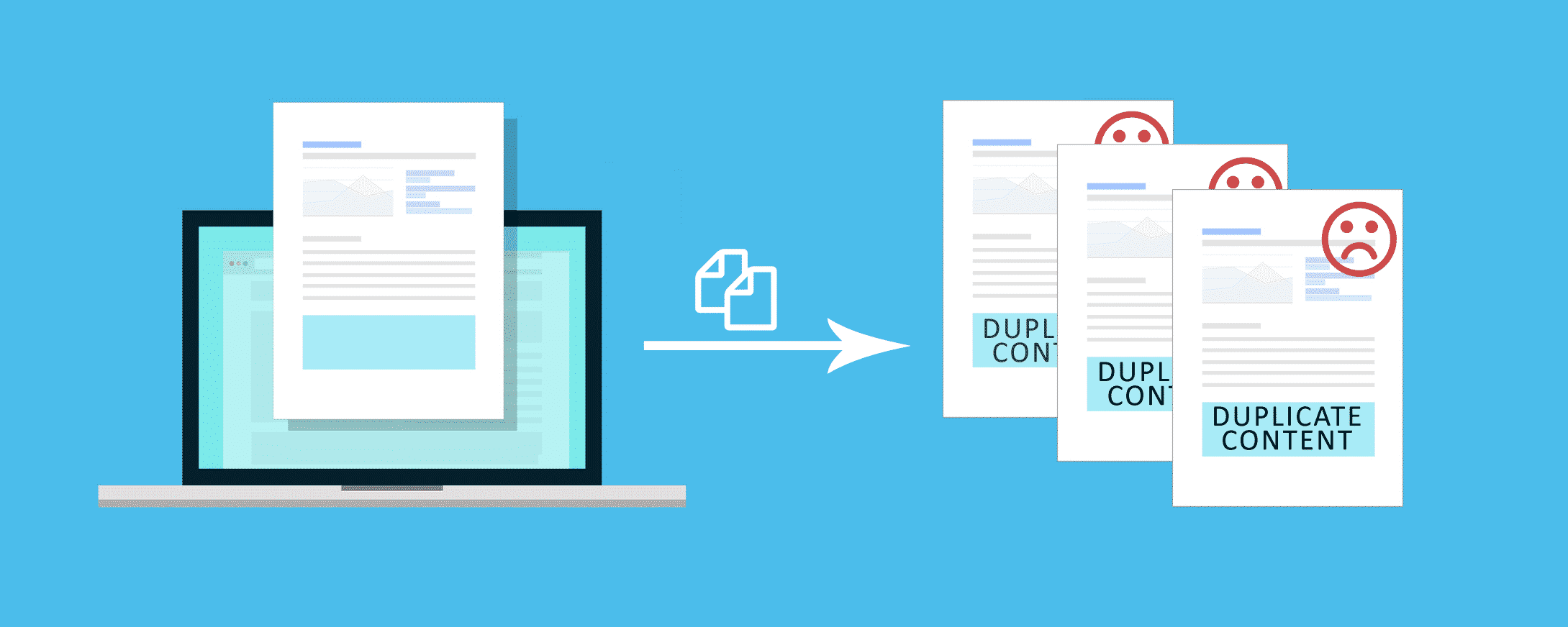
Duplicate content refers to situations where identical or very similar blocks of text appear on more than one webpage, either within the same website or across multiple domains on the internet. This usually happens unintentionally due to technical website structures such as URL parameters, pagination, session IDs, content management system issues, or copying product descriptions across multiple pages. When this occurs, search engines struggle to understand which version of the content should be indexed and ranked, which can result in reduced visibility for all duplicated pages. Instead of benefiting from content expansion, the website ends up competing with itself, weakening its overall search performance and authority.
From an SEO and business perspective, duplicate content directly affects search engine trust and indexing efficiency, because search engines aim to deliver unique and valuable information to users. When a website contains repeated or highly similar content, algorithms may filter out certain pages, choose a less important version to rank, or ignore some URLs entirely. Over time, this leads to unstable rankings, wasted crawl budget, and missed opportunities for organic growth. Businesses that want sustainable SEO results need to ensure every indexed page provides clear, unique value, which is why content audits and structure optimization are critical steps often handled by professional teams like Nofal Seo.
Before moving forward, it’s important to understand these key aspects of duplicate content:
-
Duplicate content is not always intentional plagiarism
-
Technical website issues are the most common cause
-
Internal duplication can be just as harmful as external
-
Search engines filter similar pages automatically
How to Fix a Duplicate Content Issue?
Duplicate content issues are usually resolved by first identifying the exact source of repetition and then choosing the correct technical or editorial solution based on the cause. In many websites, duplication appears because the same page can be accessed through multiple URLs, such as HTTP and HTTPS versions, www and non-www, filtered URLs, or paginated pages. In other cases, the issue comes from copying the same product descriptions, service pages, or blog articles across different sections of the site without proper differentiation. Fixing these problems requires a structured approach, not random edits, because incorrect fixes may cause indexing or ranking loss instead of improvement.
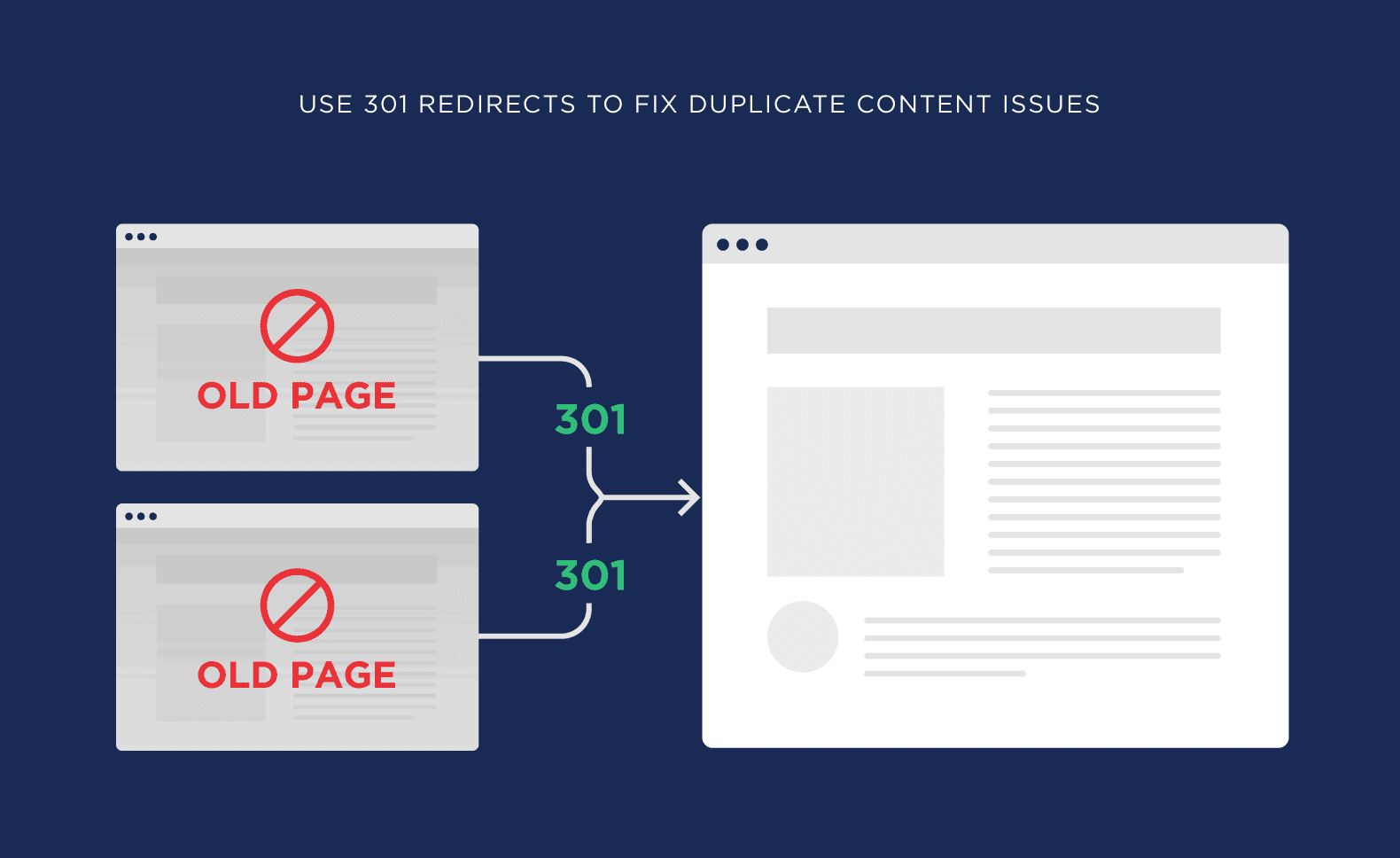
From a professional SEO standpoint, resolving duplication depends heavily on canonical implementation and URL consolidation, which guide search engines toward the correct version of each page. Using canonical tags, 301 redirects, noindex directives, and content rewriting ensures that ranking signals are unified rather than split. Businesses that want long-term stability often rely on expert SEO teams to handle these fixes correctly, and this is where Nofal Seo helps by auditing site structure, correcting duplication sources, and rebuilding content architecture in a way that protects rankings and improves crawl efficiency.
Before applying fixes, keep the following points in mind:
-
Always identify the root cause before acting
-
Use canonical tags only when content is truly similar
-
Redirect outdated or duplicate URLs properly
-
Rewrite content when technical fixes are not enough
-
Avoid blocking important pages accidentally
Why Is Duplicate Content Bad for SEO?
Duplicate content negatively affects SEO because it creates ambiguity for search engines when deciding which page should rank for a specific query. Instead of strengthening a single authoritative page, duplication spreads ranking signals across multiple URLs, which weakens visibility and reduces the chances of achieving top positions. In some cases, search engines may rank a less relevant page or suppress all versions, causing traffic loss even though the content itself is valuable.
This issue directly impacts ranking authority and crawl budget usage, as search engines waste resources crawling and evaluating similar pages instead of discovering new content. Over time, this results in slower indexing, unstable keyword positions, and reduced trust signals. Websites that ignore duplication problems often struggle to scale their SEO efforts because search engines cannot clearly understand the site’s structure or content hierarchy.
To understand the SEO risks clearly, consider the following:
-
Rankings may fluctuate unexpectedly
-
Link equity is divided between similar pages
-
Crawl budget is wasted on repeated content
-
Important pages may be ignored
-
Long-term organic growth becomes unstable
What Is an Example of a Duplicate?
Duplicate content examples are extremely common, especially on large or growing websites. A typical example is when the same article is accessible through multiple URLs due to category filters, tags, or tracking parameters. Another frequent case occurs in eCommerce websites where identical product descriptions are reused across different categories or regional versions of the site, creating multiple pages with nearly the same text.
These examples are often caused by URL parameters and content reuse, which search engines interpret as redundancy rather than added value. Even elements like cookie notices, boilerplate text, or repeated service descriptions can contribute to duplication when they dominate page content. Identifying these patterns early helps prevent unnecessary competition between pages.
Common real-world examples include:
-
HTTP vs HTTPS page versions
-
www and non-www URLs
-
Filtered or paginated category pages
-
Reused product or service descriptions
-
Republishing the same article internally
Why Is It Important to Prevent Duplicate Content?
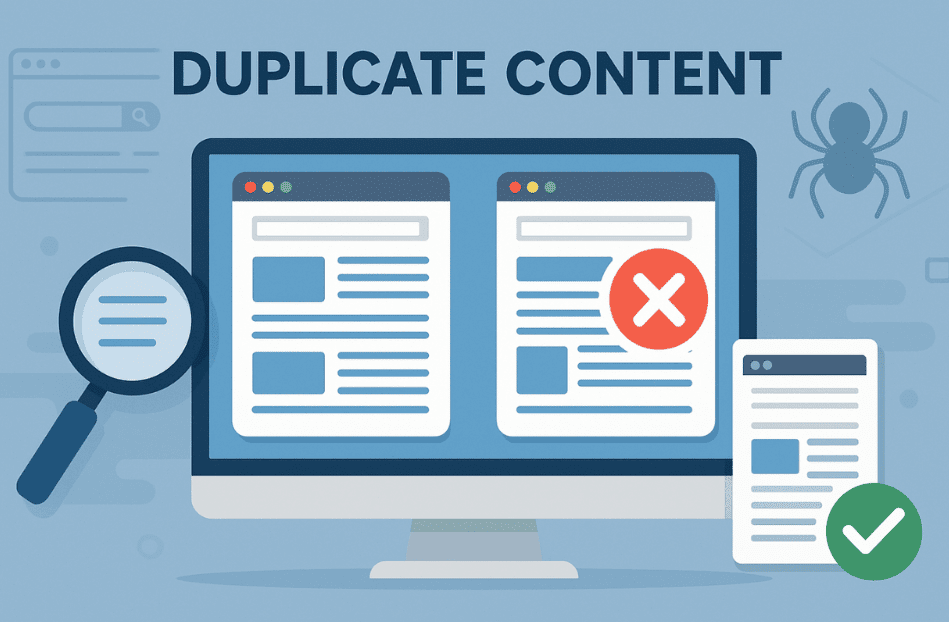
Duplicate content prevention is essential for maintaining strong SEO performance and long-term website stability. When duplication is controlled, search engines can clearly identify which pages represent the main source of information, allowing those pages to accumulate authority, links, and relevance signals over time.
Preventing duplication strengthens content authority and index clarity, ensuring that every page contributes positively to overall rankings instead of competing internally. Businesses that proactively prevent duplication protect their organic traffic and avoid costly recovery efforts later. Many companies choose to work with Nofal Seo to implement preventive SEO strategies that eliminate duplication risks before they affect search performance.
The importance of prevention becomes clear when you consider:
-
Cleaner indexing and stronger rankings
-
Better crawl efficiency
-
Improved user experience
-
Clear content hierarchy
-
Reduced risk of algorithmic filtering
How Does the Duplicate Content Checker Work?
Duplicate content checkers work by extracting text from a webpage or text input and comparing it against indexed pages across the web. These tools analyze similarity patterns and determine whether the same or highly similar text exists internally within the website or externally on other domains. The results help website owners understand whether duplication is technical, accidental, or caused by content scraping.
These tools rely on text similarity analysis and index comparison, scanning search engine results to find matching content. While they provide valuable insights, results must be interpreted carefully, as not all duplication is harmful. Understanding context, intent, and page importance is critical before making changes.
Before acting on checker results, keep in mind:
-
Not all matches require fixes
-
Small repeated blocks may be harmless
-
Internal and external duplicates differ in impact
-
Context matters more than percentage
-
Manual review is always necessary
Duplicate Content Types
Duplicate content appears in several forms depending on how a website is built and how content is published or reused. The most common division is between internal duplication, where similar text exists on multiple pages within the same site, and external duplication, where the same content appears on different domains. Internal duplication often happens because of technical issues such as URL parameters, pagination, category filters, or poor site structure, while external duplication usually occurs due to content syndication, scraping, or copying without proper attribution.
Understanding the different types is essential because each one affects site architecture and search visibility in a unique way. Internal duplicates can be fixed more easily since the website owner controls the environment, while external duplicates require monitoring, attribution handling, or even legal actions in extreme cases. Correctly identifying the type of duplication helps determine whether the solution should be technical, editorial, or strategic.
Before addressing duplication, consider these key distinctions:
-
Internal duplication happens within your own website
-
External duplication comes from other domains
-
Technical duplication is often unintentional
-
Content reuse increases risk if unmanaged
-
Each type requires a different fix
Duplicate Content Checker Online Free
Duplicate content can be detected using free online tools that allow users to scan a URL or paste text and compare it with indexed pages across the web. These tools are widely used by bloggers, small businesses, and beginners because they provide quick insights without requiring advanced SEO knowledge or paid subscriptions. Free checkers are especially useful for spotting obvious duplication issues before publishing or updating content.
However, relying solely on free tools has limitations related to scan depth and result accuracy, as most free versions restrict the number of queries or the size of the content checked. While they are excellent for initial diagnosis, deeper duplication issues often require professional auditing and interpretation to avoid misjudging harmless repetition as a critical problem.
When using free duplicate checkers, keep in mind:
-
Results may be partial or delayed
-
Large websites need advanced tools
-
External matches may vary by index
-
Manual review is still required
-
Free tools are best for quick checks
Check Duplicate Content
Duplicate content checking should be a regular part of any SEO workflow, not a one-time task. Websites constantly evolve with new pages, updates, and structural changes, all of which can introduce unintended duplication. Regular checks help catch problems early before they affect rankings or indexing.
This practice supports SEO monitoring and content quality control, ensuring that each page contributes unique value to the website. Businesses that take duplication checks seriously often avoid long-term SEO setbacks. At this stage, working with a professional SEO partner like Nofal Seo helps transform raw checker data into clear action plans that protect rankings and improve performance.
To check duplication effectively, focus on:
-
Monitoring newly published pages
-
Reviewing indexed URLs regularly
-
Checking similar page templates
-
Auditing content updates
-
Acting quickly on detected issues
Google Duplicate Content Checker
Duplicate content detection by Google does not rely on a single public tool but is handled automatically through its crawling, indexing, and ranking systems. Google evaluates page similarity at scale and decides which version best satisfies user intent, often filtering out the rest from search results.
Understanding Google’s behavior depends on search algorithms and ranking signals, not just checker tools. Google rarely penalizes duplication unless it is used to manipulate rankings, but filtering and devaluation are common outcomes. This makes technical setup and content strategy more important than chasing a “penalty” that may not exist.
Important things to understand about Google and duplication:
-
Google filters duplicates automatically
-
Authority affects which page ranks
-
Not all duplicates cause penalties
-
Intent matters more than repetition
-
Proper structure reduces risk
Duplicate Content Checker SEO
Duplicate content SEO tools are specifically designed to identify issues that impact rankings, indexing, and crawl efficiency. These tools go beyond simple text matching and focus on how duplication affects SEO performance, helping marketers prioritize fixes based on impact rather than volume.
They emphasize indexing accuracy and SEO performance, allowing website owners to see which duplicates are harming visibility and which can be ignored safely. SEO-focused tools are especially valuable for medium to large websites where manual checks are not practical.
SEO-focused duplicate checks should include:
-
URL-based comparisons
-
Internal vs external analysis
-
Canonical tag validation
-
Index status evaluation
-
Impact-based prioritization
Best Duplicate Content Checker
Duplicate content detection is most effective when the tool provides clear context, reliable matches, and actionable insights. The best tools combine accurate scanning with detailed reporting, allowing users to understand not just where duplication exists, but why it matters.
These tools offer advanced analysis and scalable auditing, making them suitable for agencies, content teams, and growing businesses. Choosing the right checker depends on website size, content volume, and the level of analysis required to make confident SEO decisions.
When selecting a duplicate content checker, look for:
-
Internal and external detection
-
High accuracy and clarity
-
Exportable, detailed reports
-
Scalability for large sites
-
SEO-focused insights
Do you need a consultation about this topic?
Contact on WhatsApp
