

Book a Free Consultation Now
Would you like to know more about this topic?
Contact us on WhatsApp and get a free consultation from our experts
Contact on WhatsApp NowAdvertising plans are structured frameworks that define how a business promotes its products or services by setting clear goals, identifying the target audience, choosing the right channels, and allocating budgets effectively to achieve measurable results. They help businesses avoid random advertising efforts, improve budget control, and ensure consistent messaging across campaigns. For companies seeking professional, results-driven advertising strategies, Nofal Seo delivers tailored advertising plans that align marketing goals with data-backed execution for sustainable growth.
What Is an Advertising Plan?
An advertising plan is a structured document that defines how a business will promote its products or services to a specific audience over a defined period of time. Advertising plans outline the overall direction of advertising efforts by clearly identifying objectives, audiences, messaging, channels, and budgets. Instead of running disconnected ads, the plan ensures that every campaign works toward measurable business goals such as brand awareness, lead generation, or sales growth. It also serves as a reference point that keeps marketing teams aligned and focused throughout execution.
From a strategic perspective, an advertising plan connects marketing strategy and campaign objectives into one coherent framework. It transforms high-level business goals into actionable advertising activities and timelines. Companies that rely on documented plans are better equipped to control spending, measure results, and adapt campaigns based on performance data rather than assumptions.
To fully understand what an advertising plan includes, here are the key aspects every plan should cover:
-
Clear definition of advertising goals and KPIs
-
Identification of the target audience and buyer personas
-
Core messaging and value proposition
-
Selected advertising channels and platforms
-
Budget allocation and spending limits
-
Timeline and campaign phases
-
Measurement and optimization approach
What Are the 4 Types of Advertising?
The four main types of advertising are commonly categorized as digital advertising, traditional advertising, social media advertising, and direct advertising. Advertising plans determine which of these types should be used based on audience behavior, budget size, and campaign goals. Digital advertising includes search engines and display networks, while traditional advertising covers TV, radio, print, and outdoor media. Social media advertising focuses on platforms like Facebook and Instagram, and direct advertising includes email, SMS, and direct mail.
Choosing the right mix depends on media channels and target reach, as each type offers different strengths. Digital ads provide precision targeting and measurable results, while traditional media offers broad exposure. A well-built plan balances these types to maximize visibility without wasting resources.
To choose the most effective advertising types, consider the following points:
-
Where your audience spends most of their time
-
Your available budget and cost per channel
-
The speed at which you need results
-
The level of targeting and tracking required
-
Brand awareness versus direct response goals
How to Make an Advertising Plan?
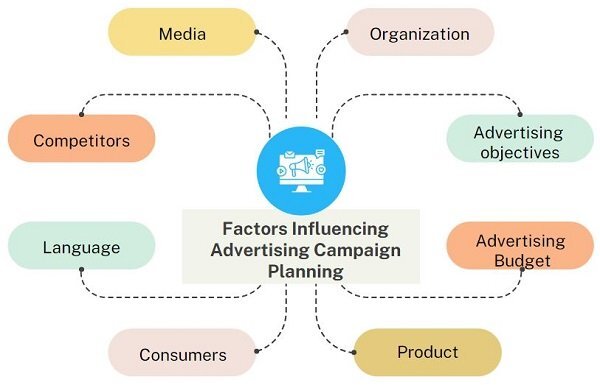
Creating an effective advertising plan starts with understanding business goals and translating them into clear advertising objectives. Advertising plans are built step by step, beginning with research, followed by audience definition, channel selection, budgeting, and performance measurement. Each step must be logically connected so that decisions about messaging and spending are driven by strategy rather than guesswork.
Successful planning relies on market research and budget allocation, ensuring campaigns are realistic and data-driven. Businesses that work with Nofal Seo benefit from professionally structured advertising plans that align SEO insights with paid media strategies, helping campaigns achieve both short-term results and long-term growth.
When building an advertising plan, focus on these essential steps:
-
Define specific and measurable objectives
-
Research your market and competitors
-
Identify and segment your target audience
-
Choose the right advertising channels
-
Set a realistic and flexible budget
-
Create compelling ad messages
-
Track results and optimize continuously
Advertising Planning Process
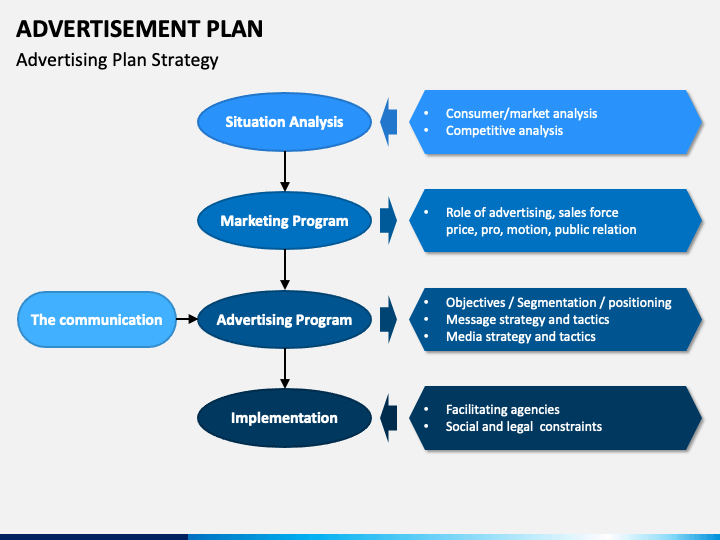
The advertising planning process is a systematic approach that guides campaigns from idea to execution and evaluation. Advertising plans follow a clear sequence: situation analysis, goal setting, audience research, creative development, media planning, budgeting, and performance review. This process reduces risk and ensures that advertising decisions are based on data rather than intuition.
This process depends heavily on strategic planning and performance tracking, allowing marketers to monitor progress and adjust campaigns in real time. When managed correctly, the planning process ensures consistent messaging, efficient spending, and continuous improvement across campaigns.
To make the planning process effective, marketers should pay attention to:
-
Starting with accurate data and insights
-
Aligning every step with business objectives
-
Keeping communication clear between teams
-
Monitoring performance throughout execution
-
Making data-driven adjustments when needed
Advertising Plan Example
An advertising plan example typically shows how theory is applied in practice. Advertising plans for a product launch, for instance, may include objectives like increasing brand awareness by a specific percentage, targeting a defined demographic, selecting social media and search ads as channels, and allocating budgets across platforms. The example also includes timelines, KPIs, and evaluation methods.
Practical examples highlight the importance of campaign structure and execution strategy, showing how all components work together. At Nofal Seo, real-world advertising plan examples are tailored to each business model, ensuring strategies are realistic, scalable, and performance-focused rather than generic templates.
When reviewing an advertising plan example, look for:
-
Clearly defined objectives and success metrics
-
A well-researched target audience
-
Logical media and channel selection
-
Balanced budget distribution
-
A realistic timeline and execution plan
Benefits of Having an Advertising plans
Having a documented advertising plan provides clarity, control, and consistency. Advertising plans help businesses avoid wasted budgets by defining clear priorities and aligning teams around shared goals. They also improve decision-making by setting benchmarks that can be measured and optimized over time.
The benefits extend to budget efficiency and brand consistency, as planned campaigns maintain a unified message across all channels. Companies that plan ahead are better positioned to respond to market changes and outperform competitors who rely on reactive advertising.
The main benefits of an advertising plan include:
-
Better control over advertising spend
-
Stronger alignment between teams
-
More consistent brand messaging
-
Easier performance measurement
-
Higher return on advertising investment
How Does an Advertising plans Work?
An advertising plan works by turning strategy into action through coordinated execution. Advertising plans guide how campaigns are launched, monitored, and refined by outlining responsibilities, timelines, and success metrics. Once live, performance data is collected and compared against objectives to determine effectiveness.
This operational flow depends on campaign optimization and data analysis, ensuring that insights from one campaign improve the next. With expert guidance from Nofal Seo, businesses can transform Advertising plans into living systems that evolve based on real performance data, not assumptions.
To understand how an advertising plan functions in practice, consider the following:
-
Strategy is translated into actionable campaigns
-
Roles and responsibilities are clearly defined
-
Performance is tracked against predefined KPIs
-
Insights are used to optimize ongoing efforts
-
Learnings are applied to future campaigns
What Are the 7 Marketing Plans?
Marketing plans define how a business reaches its audience, communicates value, and drives growth across different channels and stages of the customer journey. While Advertising plans focus specifically on paid promotion, marketing plans are broader frameworks that include multiple strategies working together to attract, engage, convert, and retain customers. Each plan serves a different purpose depending on business goals, market conditions, and customer behavior.
From a strategic perspective, successful businesses rarely rely on a single marketing plan. Instead, they combine several approaches such as content, digital, and social media marketing to create a balanced ecosystem. This integration ensures consistent brand messaging, diversified traffic sources, and stronger long-term results rather than short-term gains from isolated efforts.
Now, here is a detailed explanation of the 7 main marketing plans used by businesses today:
1. Product Marketing Plan
This plan focuses on how a specific product is positioned, launched, and promoted in the market. It defines the product’s value proposition, key benefits, pricing strategy, and competitive differentiation. Product marketing plans ensure that the right message reaches the right audience at the right time, especially during launches or updates.
2. Content Marketing Plan
3. Digital Marketing Plan
This plan covers all online marketing activities, including websites, search engines, paid ads, and digital analytics. It focuses on driving traffic, generating leads, and optimizing conversions through digital channels. Digital marketing plans are data-driven and continuously optimized based on performance insights.
4. Social Media Marketing Plan
A social media marketing plan defines how a brand uses platforms like Facebook, Instagram, LinkedIn, or TikTok to connect with its audience. It includes content themes, posting schedules, engagement tactics, and paid social strategies to grow brand awareness and community interaction.
5. Email Marketing Plan
6. Influencer Marketing Plan
An influencer marketing plan outlines how brands collaborate with influencers or creators to reach new audiences. It defines influencer selection, campaign goals, content formats, and performance tracking. This plan leverages trust and credibility built by influencers with their followers.
7. Advertising Marketing Plan
This plan centers on paid promotion across channels such as search engines, social media, display networks, and traditional media. It focuses on budget allocation, targeting, creatives, and performance measurement. Advertising marketing plans are designed to deliver fast, measurable results and amplify other marketing efforts.
Elements of an Advertising plans
A complete advertising plan consists of several core elements that work together. Advertising plans begin with Situation Analysis to assess the market, competitors, and internal capabilities. Objectives define what the campaign aims to achieve, while Target Audience identifies who the message is for. The Strategy Statement sets direction, followed by the Creative Plan that defines messaging and visuals. The Media Plan determines where ads will appear, the Promotion Plan explains execution tactics, the Budget controls spending, and Evaluation & KPIs measure success.
These elements rely on strategic alignment and performance measurement, ensuring no part of the campaign operates independently. When all elements are clearly defined and connected, advertising becomes predictable, scalable, and results-driven rather than experimental.
1. Situation Analysis
Situation analysis is the foundation of any successful advertising plan. It focuses on understanding the current market environment before making any strategic decisions. This includes analyzing internal factors such as brand position, previous campaign performance, strengths, and weaknesses, as well as external factors like competitors, market trends, customer behavior, and economic conditions. Without a clear situation analysis, advertising decisions become assumptions rather than informed choices.
This step helps identify opportunities and risks that may impact campaign success. For example, knowing what competitors are doing, how audiences are responding to similar offers, and where gaps exist in the market allows advertisers to design campaigns that stand out instead of blending in.
2. Objectives
Clear objectives guide every other element of the plan. They determine how success will be measured and ensure that creative decisions, media choices, and budget allocation all serve a clear purpose rather than vague intentions.
3. Target Audience
The target audience defines who the advertising campaign is speaking to. This includes demographic data (age, gender, location, income), psychographic traits (interests, values, lifestyle), and behavioral insights (buying habits, online activity, brand loyalty).
A deep understanding of the target audience allows advertisers to create relevant messaging and choose the most effective channels. The more precise the audience definition, the higher the chances of engagement, conversion, and return on investment.
4. Strategy Statement
The strategy statement outlines the overall approach the campaign will take to achieve its objectives. It answers the key question: How will we win? This includes defining the value proposition, competitive positioning, tone of voice, and the main idea behind the campaign.
A strong strategy statement keeps all stakeholders aligned. It acts as a decision-making filter, ensuring that creative execution and media choices stay consistent with the core strategic direction.
5. Creative Plan
The creative plan translates strategy into actual messaging and visuals. It defines what the audience will see and hear, including headlines, copy, visuals, videos, formats, and storytelling style. The creative plan ensures that all creative assets reflect the brand identity and campaign objectives.
This element is critical because even the best strategy will fail if the message does not resonate emotionally or clearly communicate value. A strong creative plan balances creativity with clarity and persuasion.
6. Media Plan
A well-structured media plan ensures that the advertising message reaches the right audience at the right time using the most cost-effective channels. Media planning directly impacts budget efficiency and campaign performance.
7. Promotion Plan
The promotion plan focuses on how the campaign will be executed and activated across chosen channels. It includes scheduling campaigns, coordinating launches, defining offers or incentives, and integrating advertising with other marketing efforts such as email or influencer marketing.
This element turns planning into action. It ensures smooth execution, consistency across platforms, and alignment between advertising activities and broader marketing initiatives.
8. Budget
The budget defines how much will be spent and how funds will be allocated across channels, creatives, and campaign phases. It ensures financial control and prevents overspending while maximizing impact.
An effective budget is tied directly to objectives and expected returns. It prioritizes high-performing channels and allows flexibility for optimization based on real-time performance data.
9. Evaluation
Evaluation measures the effectiveness of the advertising plan using key performance indicators (KPIs) such as impressions, clicks, conversions, cost per acquisition, and return on ad spend. This step determines whether objectives were achieved and what can be improved.
Evaluation is not the end of the process but a feedback loop. Insights gained from performance analysis are used to refine future Advertising plans, improve targeting, messaging, and media strategies, and increase overall effectiveness.
In conclusion, Advertising plans are the foundation of successful and sustainable marketing campaigns, helping businesses control budgets, target the right audience, and achieve measurable results instead of relying on guesswork. If you want advertising strategies that are built on data, aligned with your business goals, and designed for real growth, let Nofal Seo handle your advertising planning and execution—contact us today and start turning your campaigns into consistent, high-performing results.
Do you need a consultation about this topic?
Contact on WhatsApp
