
Facebook Algorithms and Content Visibility
Book a Free Consultation Now
Would you like to know more about this topic?
Contact us on WhatsApp and get a free consultation from our experts
Contact on WhatsApp NowFacebook algorithms are intelligent systems that determine which posts, videos, and updates appear in a user’s Feed by analyzing engagement signals such as likes, comments, shares, watch time, and interaction history. Instead of showing content in chronological order, these systems rank posts based on predicted relevance, ensuring users see content they are most likely to engage with at any given moment. For businesses that want to apply this understanding effectively and grow visibility on Facebook, Nofal Seo provides expert strategies aligned with algorithmic behavior to drive consistent reach and meaningful engagement.
What Are Facebook Algorithms?
Facebook algorithms are intelligent systems that decide what content appears in a user’s Feed every time they open the platform. At their core, these systems process massive volumes of data to determine which posts, videos, ads, and updates best match each user’s interests. To achieve this, the platform actively analyzes signals such as likes, comments, shares, watch time, and profile interactions. As a result, content delivery continuously adapts to increase relevance and engagement rather than relying on a simple chronological order.
From a marketing and content strategy perspective, understanding how these systems function is essential for brands, creators, and businesses that want to improve organic reach on Facebook. However, Facebook does not rank content randomly. Instead, it relies on specific Facebook ranking factors such as engagement quality, content relevance, and interaction history. Therefore, even well-produced content may struggle to gain visibility if it fails to align with how the algorithm evaluates trust, consistency, and meaningful engagement over time.
Before exploring advanced tactics, it’s important to understand what Facebook evaluates at a foundational level.
-
User behavior signals
Facebook actively tracks likes, comments, shares, watch time, and profile visits to understand individual preferences and predict future interests. -
Content relevance
The platform compares each post with a user’s past interactions to determine how closely the topic matches their interests. -
Engagement quality
Meaningful actions such as comments and discussions carry more weight than passive signals like likes. -
Content freshness and consistency
New posts receive initial exposure, but only content that sustains engagement continues to spread.
Which Algorithm Is Used in Facebook?
Facebook does not depend on a single ranking system. Instead, it operates through a network of interconnected AI models that work together across different platform areas. Within Facebook algorithms, separate ranking systems control the Feed, Reels, Stories, Groups, and friend suggestions. Although each system serves a different purpose, they all prioritize relevance, engagement, and user satisfaction.
From a technical perspective, Facebook relies on advanced deep learning models supported by social media algorithm architecture and refined Facebook ranking factors. These models actively predict how likely users are to interact with specific content, whether by clicking, commenting, watching, or sharing. Consequently, the algorithm evolves constantly, which means content strategies must adapt rather than rely on static tactics.
To better understand Facebook’s structure, consider the main systems involved.
-
Multiple prediction models
Facebook uses hundreds of AI models to predict user actions across different content types. -
Segment-based ranking
Feed, Reels, Stories, and Marketplace each use tailored logic based on user intent. -
AI-driven personalization
Content ranking adjusts dynamically for every user, even when they follow the same Pages. -
Continuous learning
The system improves over time by learning from new engagement data.
What Words Trigger the Facebook Algorithm?
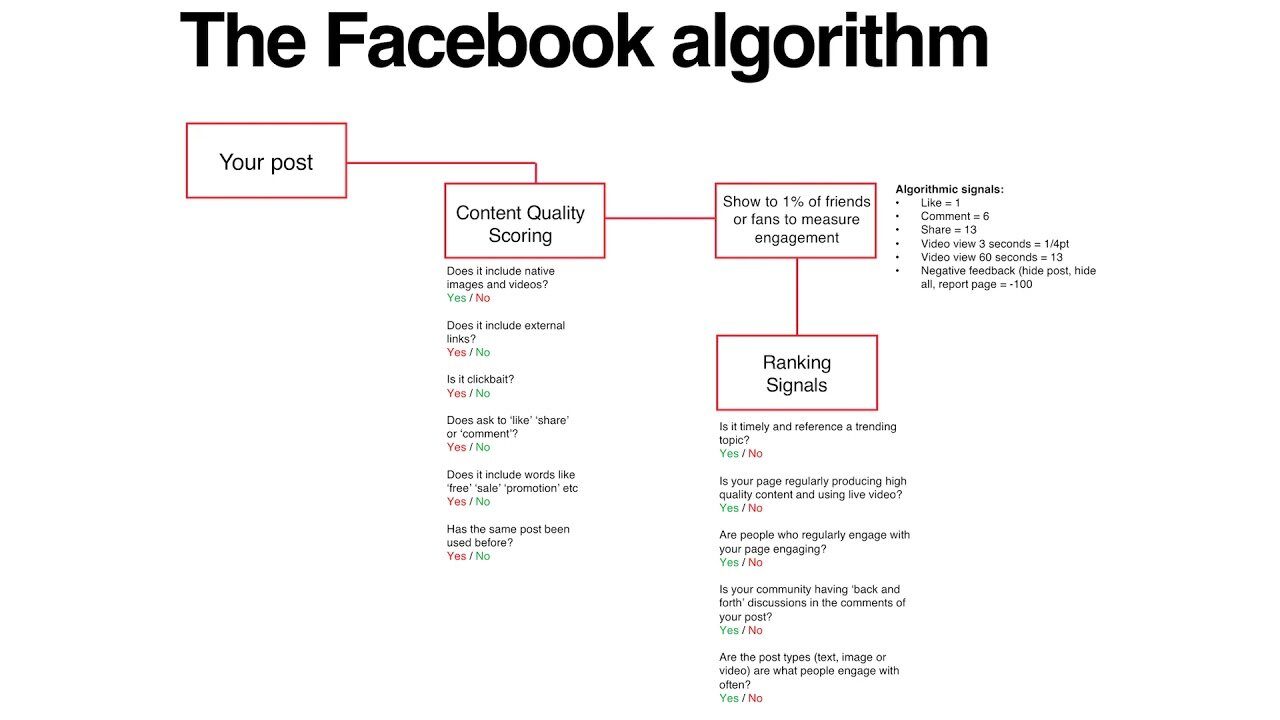
Language plays a subtle but important role in how content performs on Facebook. While Facebook algorithms do not rank posts purely based on keywords, wording directly influences user engagement, content clarity, and policy compliance. Therefore, posts that naturally encourage interaction often perform better than content that feels manipulative or misleading.
From an optimization standpoint, engagement signals and content relevance closely depend on how users respond to wording. For example, posts that invite discussion or present clear value tend to generate comments and shares. As a result, the algorithm interprets these reactions as indicators of quality and relevance.
Before choosing language strategically, it’s important to understand its practical impact.
-
Engagement-driven language
Questions and opinion-based phrasing often prompt users to comment and interact. -
Clear and honest wording
Transparent language builds trust and improves long-term reach. -
Avoidance of clickbait phrases
Misleading wording reduces algorithmic trust and limits distribution. -
Policy-safe language
Content must always comply with community and advertising standards.
How Does the Facebook Algorithm Choose “People You May Know”?
The “People You May Know” feature relies on predictive systems that analyze how users connect across the platform. Within Facebook algorithms, this feature evaluates relationship patterns to suggest profiles that a user is most likely to recognize or want to connect with. Rather than making random suggestions, Facebook actively analyzes shared interactions, mutual activity, and network proximity to increase the accuracy of recommendations.
From a data-driven perspective, this process depends heavily on social graph analysis and connection prediction models. As a result, suggestions become more accurate over time as users interact, search profiles, or join similar communities. Therefore, the system prioritizes relevance and likelihood of connection rather than popularity or profile activity alone.
Before these suggestions appear, several underlying signals are evaluated.
-
Mutual connections
Shared friends strongly increase the likelihood of a recommendation. -
Profile interaction history
Viewing profiles or interacting with similar users sends intent signals. -
Shared environments
Common workplaces, schools, or groups influence suggestions. -
Contact-based signals
Synced contact data may contribute when available.
Facebook Algorithm Changes for 2026
As the platform evolves, Facebook algorithms continue shifting toward deeper personalization and higher content standards. In 2026, Facebook is expected to reduce the visibility of low-value posts while rewarding content that drives meaningful, sustained interaction. Consequently, creators and brands will need to focus more on quality than volume to maintain visibility.
From an industry perspective, these updates are driven by advances in AI content recommendations and refined Facebook ranking factors. Therefore, the algorithm increasingly evaluates context, intent, and long-term engagement rather than short-term performance spikes. This change encourages creators to build trust and consistency instead of chasing viral moments.
Looking ahead, several changes stand out.
-
Stronger emphasis on meaningful engagement
Comments and shares outweigh passive interactions. -
Greater AI personalization
Feeds become more tailored to individual user behavior. -
Lower tolerance for recycled content
Repetitive or low-effort posts lose reach. -
Higher importance of credibility signals
Trusted creators gain long-term visibility.
How Does the Facebook Algorithm Work?
Every time a user opens Facebook, Facebook algorithms begin a rapid evaluation process to decide what content appears first. The system actively gathers thousands of potential posts and scores them based on predicted relevance. This process happens almost instantly and updates continuously as users interact with content.
From a technical standpoint, this workflow depends on content ranking systems and user intent prediction. As a result, the algorithm balances posts from friends, Pages, Groups, and recommendations to maintain diversity while prioritizing relevance. Therefore, content visibility depends not only on quality but also on how well it matches user intent at that moment.
The ranking process follows a structured sequence.
-
Content inventory creation
All eligible posts are collected for evaluation. -
Signal analysis
Engagement history, timing, and content type are reviewed. -
Prediction modeling
The system estimates interaction likelihood. -
Final relevance scoring
Posts are ranked based on predicted value.
Facebook Algorithm Examples
Practical examples help illustrate how Facebook algorithms influence visibility in real scenarios. For instance, a post that generates active discussion often outperforms one that receives many likes but few comments. Similarly, videos with high completion rates tend to receive broader distribution than videos users abandon early.
From a strategic perspective, these outcomes are explained by content performance signals and engagement patterns. Therefore, understanding why certain posts succeed allows marketers to replicate effective formats instead of relying on guesswork.
Common examples include:
-
High-comment posts ranking higher
Discussions signal relevance and value. -
Strong video watch time boosting reach
Completion rate influences ranking. -
Active Group posts gaining priority
Community engagement carries strong signals. -
Consistent creators earning trust
Reliability improves long-term reach.
Facebook Algorithm Words to Avoid
Certain wording choices can negatively impact performance under Facebook algorithms. These patterns often signal manipulation, low-quality intent, or policy risk, which leads the system to limit distribution. Therefore, avoiding harmful language is just as important as choosing effective wording.
From a compliance standpoint, content moderation signals and policy enforcement systems directly affect how posts are ranked. As a result, even well-designed content can lose visibility if wording raises red flags.
Words and patterns to avoid include:
-
Engagement bait phrases
Commands like “Like if you agree” reduce reach. -
Misleading headlines
Clickbait weakens trust signals. -
Offensive or harmful language
Violates community standards. -
Exaggerated claims
Reduces credibility and distribution.
Facebook Algorithm Best Time to Post
Timing plays a supporting role in how Facebook algorithms assess content performance. While posts can gain traction later, early engagement still influences long-term reach. Therefore, publishing when your audience is active increases the likelihood of strong initial signals.
From an optimization standpoint, this depends on posting time analysis and audience activity patterns. As a result, brands that test and refine timing strategies often achieve more consistent visibility.
Key timing considerations include:
-
Audience-specific behavior
Posting schedules should match user activity. -
Weekday mornings often perform well
Especially for business-focused Pages. -
Consistency over randomness
Regular posting trains the algorithm. -
Ongoing testing
Analytics should guide adjustments.
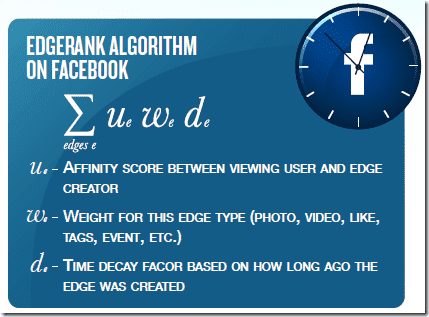
Facebook Algorithm Problems
Despite continuous improvements, Facebook algorithms still present challenges for many businesses. Sudden reach drops, inconsistent engagement, and unclear performance changes are common issues. Consequently, understanding these problems helps brands respond strategically rather than react emotionally.
From a diagnostic perspective, these issues often stem from algorithm fluctuations and content saturation. Therefore, long-term success requires adaptability and data-driven decision-making.
Typical problems include:
-
Declining organic reach
Increased competition reduces visibility. -
Overdependence on one content type
Limits algorithmic exposure. -
Weak engagement signals
Causes content suppression. -
Ignoring performance analytics
Prevents optimization.
Facebook Meta Algorithm
The Facebook Meta algorithm represents an interconnected ecosystem across Meta platforms. Within Facebook algorithms, Meta integrates behavioral data from Facebook, Instagram, and related services to improve personalization. As a result, user behavior on one platform can influence content recommendations on another.
From a future-focused perspective, this system relies on Meta AI systems and cross-platform signals to create more accurate predictions. Therefore, brands benefit from unified strategies rather than isolated platform tactics.
Key characteristics include:
-
Cross-platform learning
Actions on one app influence others. -
Advanced AI modeling
Improves prediction accuracy. -
Unified content strategy importance
Consistency strengthens performance. -
Long-term engagement focus
Sustainable interaction outweighs short-term spikes.
Understanding how Facebook algorithms work gives brands and creators a real advantage in reaching the right audience, increasing engagement, and building long-term visibility on the platform. However, turning this knowledge into consistent results requires strategy, testing, and experience. If you want to optimize your content, fix reach issues, and grow your Facebook presence with confidence, Nofal Seo is ready to help—contact us today and start working with the algorithm, not against it.
Do you need a consultation about this topic?
Contact on WhatsApp
