
Book a Free Consultation Now
Would you like to know more about this topic?
Contact us on WhatsApp and get a free consultation from our experts
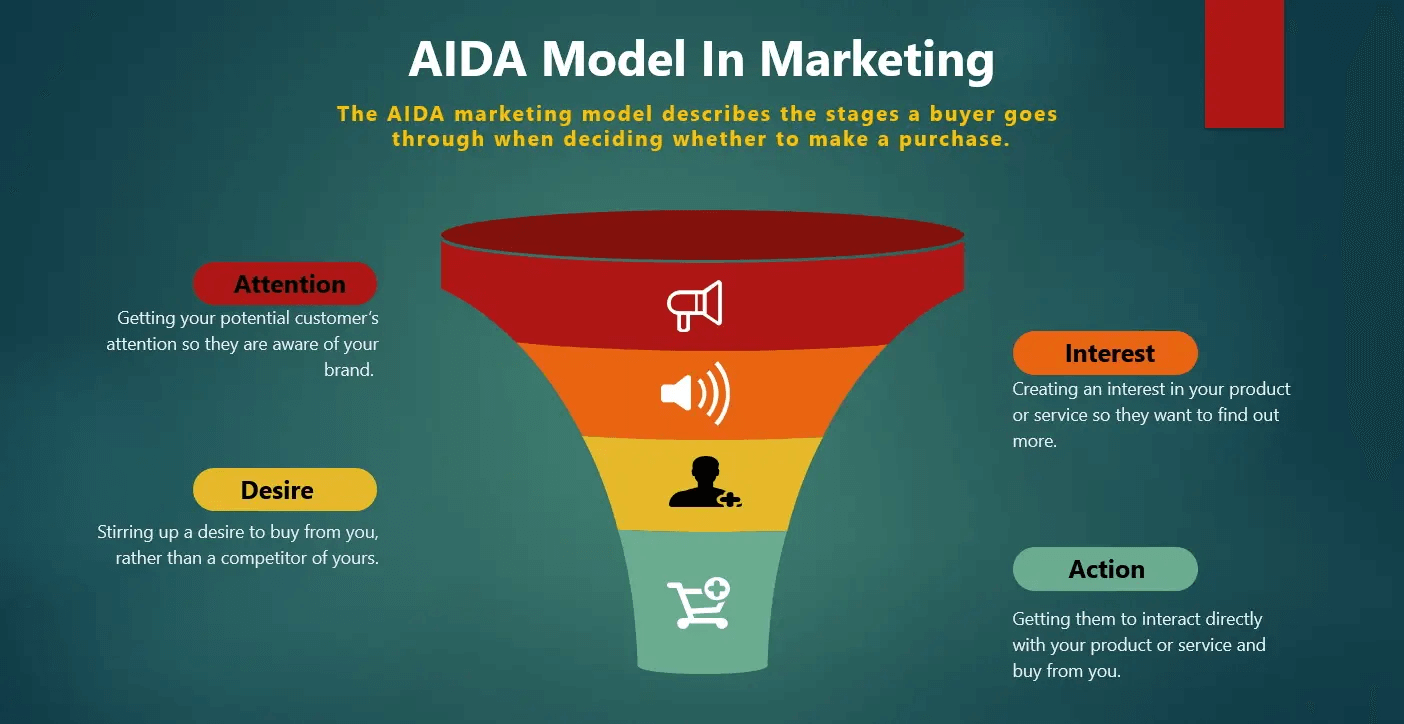
Contact on WhatsApp NowWhat is the marketing funnel?
The Marketing funnel is a structured framework that explains how potential customers move from discovering a brand to taking a final action such as purchasing or signing up. It helps businesses understand customer intent at each stage and organize marketing activities in a logical sequence instead of using random tactics. By following this funnel, marketers can communicate with users based on readiness rather than pressure.
Key clarifications for readers:
-
It reflects how customers think and decide
-
Each stage represents a different level of intent
-
It helps prioritize marketing efforts efficiently
-
It reduces wasted budget and irrelevant messaging
What are the 5 stages of the marketing funnel?
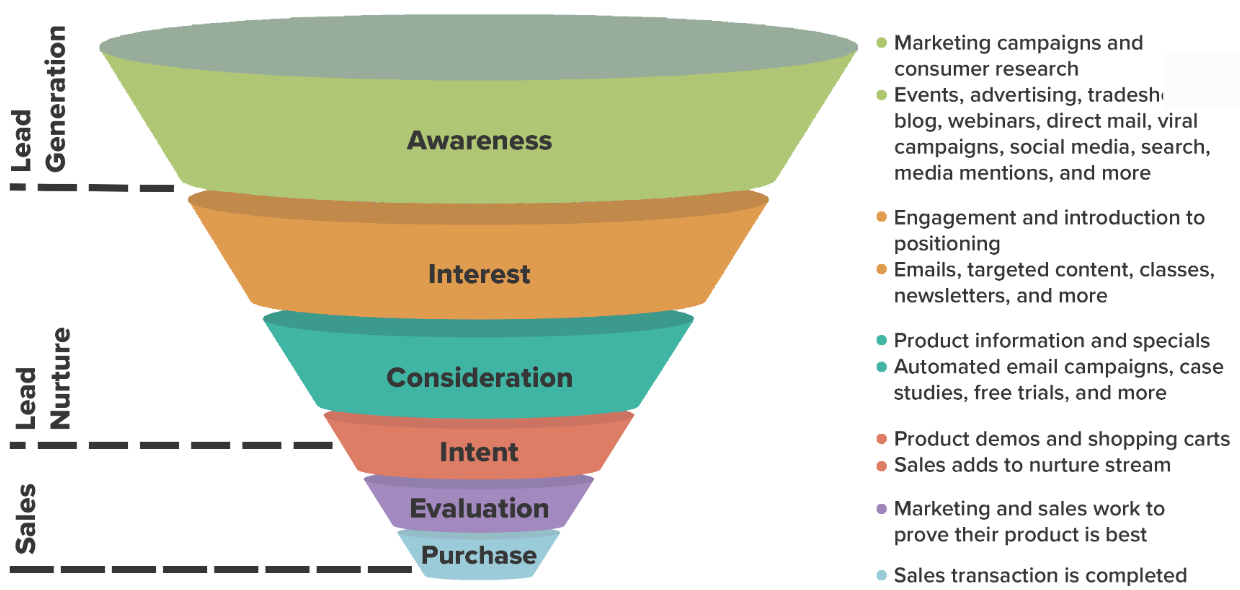
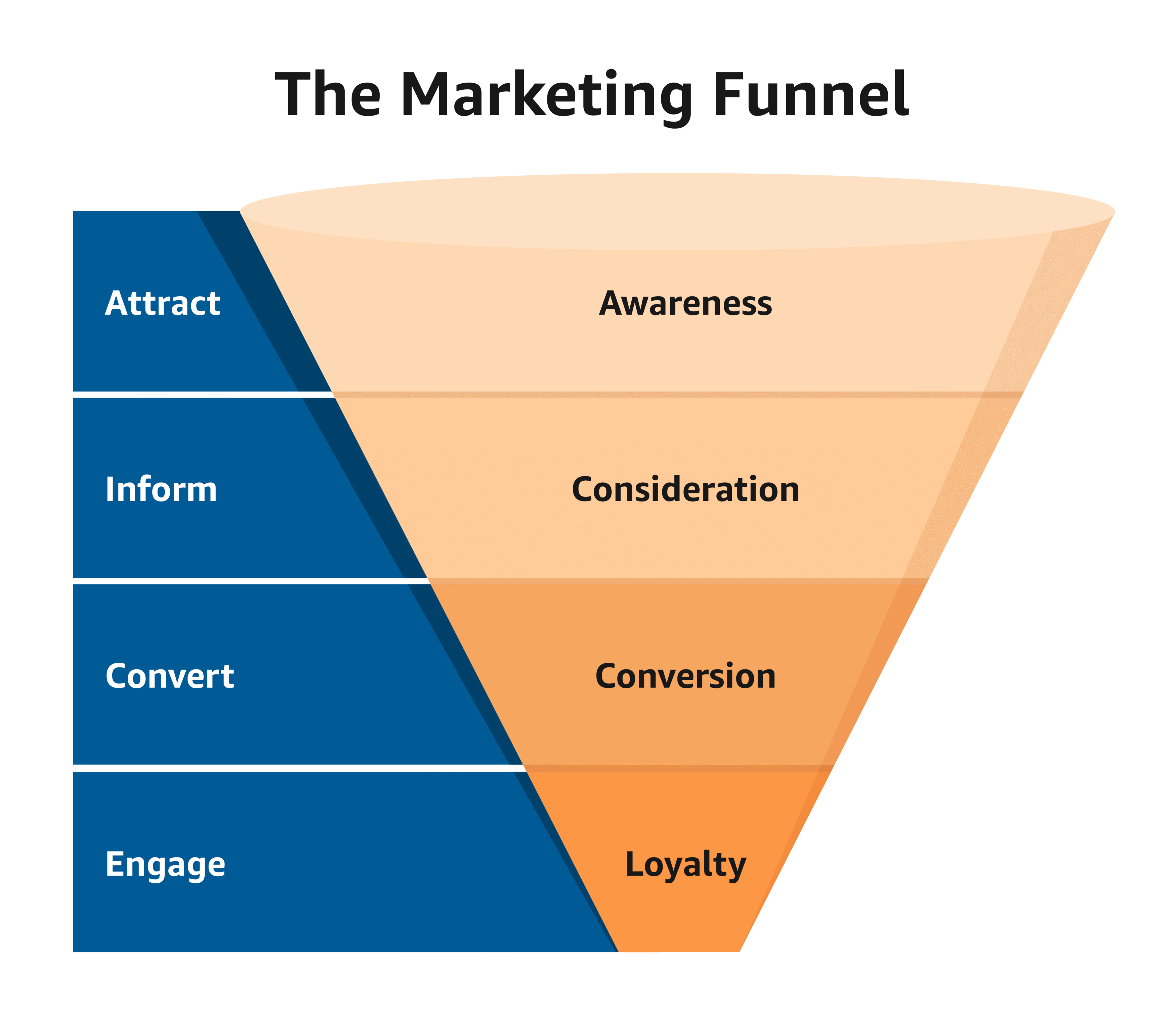
The Marketing funnel is often broken down into five stages that represent how customer intent develops over time. These stages help marketers understand what users need at each point instead of treating all audiences the same. Each stage has a clear purpose, from attracting attention to building long-term loyalty.
The five stages explained clearly:
-
Awareness: discovering the brand or problem
-
Interest: curiosity about solutions
-
Consideration: comparison and evaluation
-
Conversion: decision and action
-
Loyalty: repeat engagement and advocacy
What is the 3 funnel strategy?
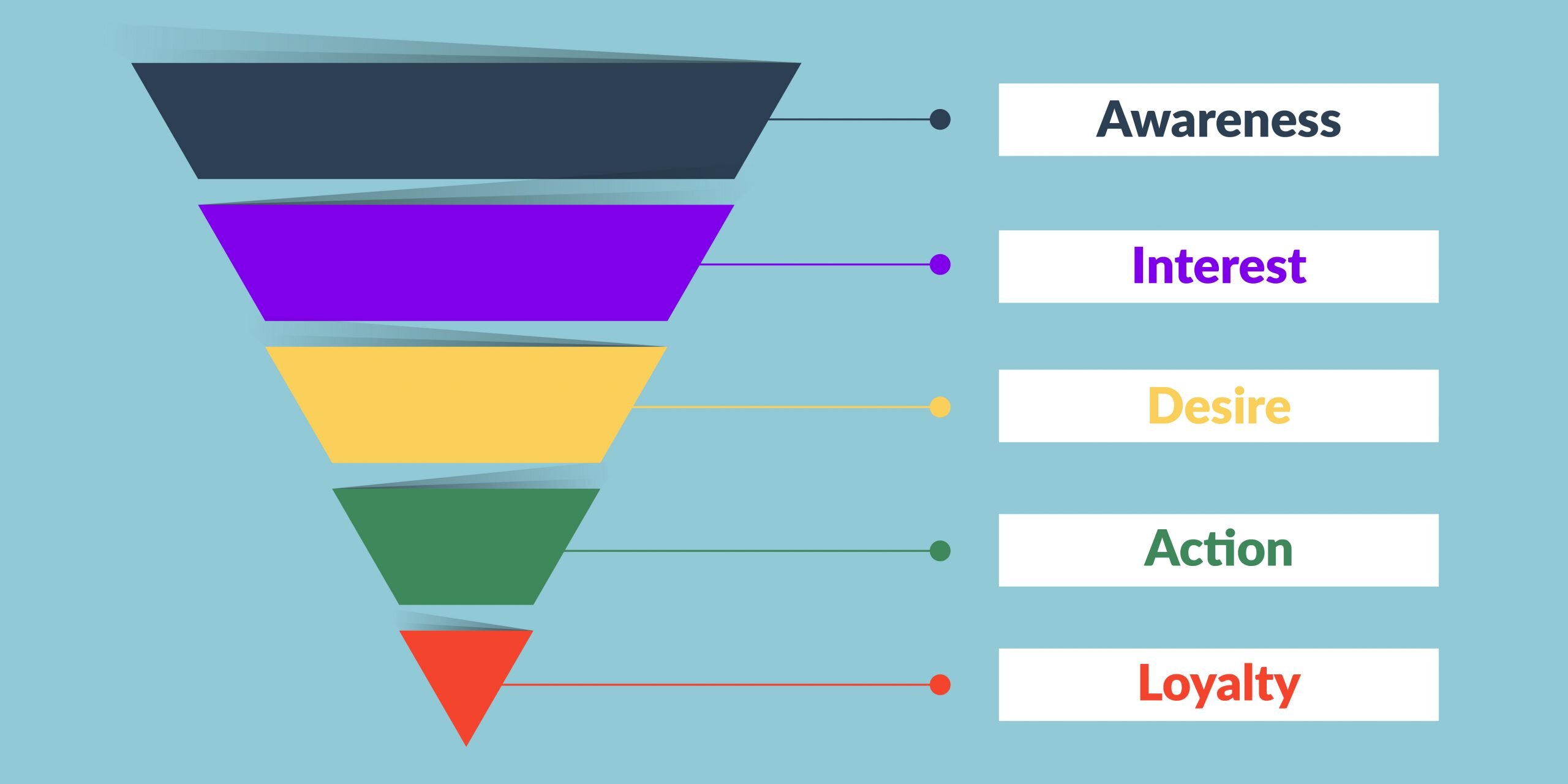
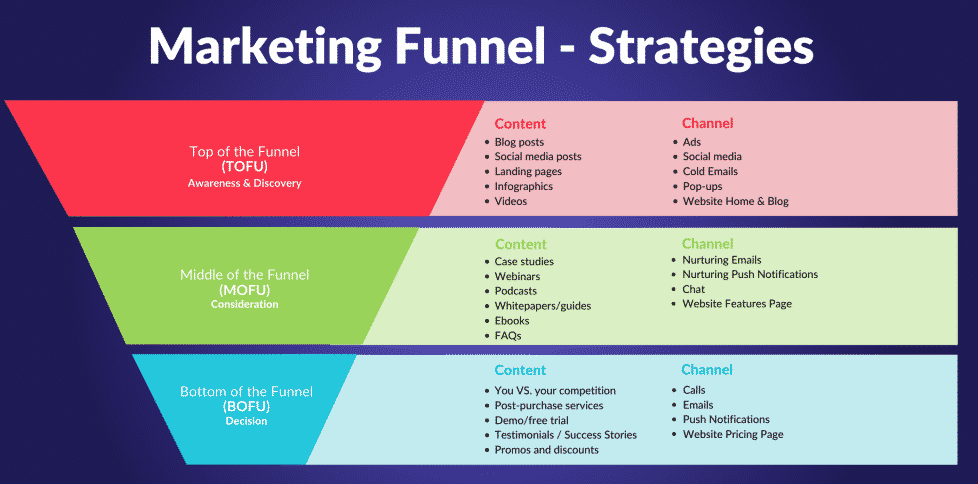
The Marketing funnel can be simplified into a three-stage strategy, especially in digital environments where speed and clarity are important. This approach focuses on awareness, consideration, and conversion, making it easier to build and optimize without unnecessary complexity.
How the 3-stage strategy works:
-
Top stage: attracting attention and traffic
-
Middle stage: educating and building trust
-
Bottom stage: converting interest into action
How to create a marketing funnel
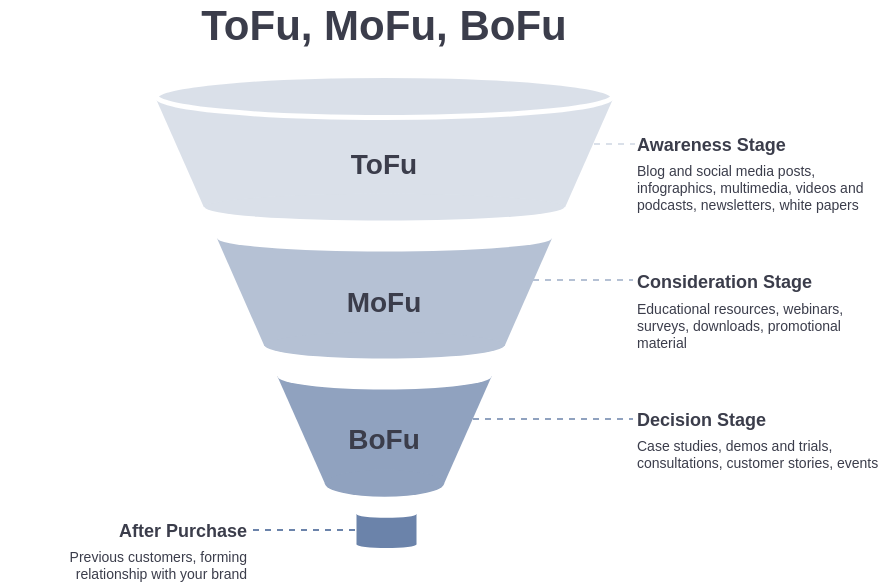
Building a Marketing funnel requires a clear process that starts with understanding the target audience and ends with continuous optimization. A well-built funnel connects goals, content, channels, and data into one system instead of treating each activity separately.
This approach ensures that every marketing effort serves a specific purpose and supports the next step in the customer journey rather than working in isolation. At Nofal SEO, we apply how to create a marketing funnel with a clear, structured, and execution-focused methodology that connects strategy, content, and data to drive measurable growth.
Steps explained for beginners:
-
Identify your ideal audience and pain points
-
Define clear stages and goals
-
Create content aligned with user intent
-
Select channels where users are active
-
Measure performance and optimize continuously
What is the difference between the marketing and sales funnel?
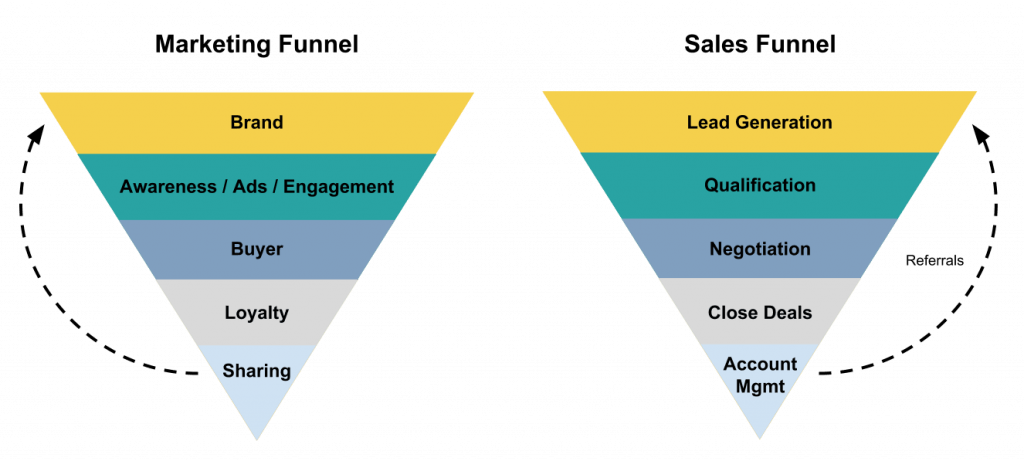
The Marketing funnel focuses on attracting, educating, and nurturing potential customers, while the sales funnel is responsible for turning qualified leads into paying customers. Each funnel has a different role, but both must work together for success.
When marketing and sales are aligned, the customer experience becomes smoother and conversion rates improve because leads are better prepared before reaching sales teams. At Nofal SEO, we bridge the gap between teams by implementing the marketing funnel vs sales funnel approach strategically, ensuring qualified leads move seamlessly from awareness to conversion with higher efficiency.
Clear differences for readers:
-
Marketing builds awareness and interest
-
Sales focuses on closing and retention
-
Marketing uses content and ads
-
Sales uses direct communication
How to incorporate a full-funnel approach in your marketing
Using the Marketing funnel as a full system means supporting customers at every stage rather than focusing only on conversions. A full-funnel approach ensures long-term growth instead of short-term results.
This strategy helps brands stay visible, relevant, and trusted throughout the customer journey, not just at the moment of purchase. At Nofal SEO, we rely on a strong marketing funnel framework to connect all stages together, ensuring consistent messaging, continuous engagement, and long-term brand growth.
How to apply a full-funnel approach:
-
Build awareness with broad campaigns
-
Nurture interest through education
-
Optimize conversion points
-
Retain and re-engage existing customers
Why are marketing funnels important?
The Marketing funnel is important because it brings structure and predictability to marketing efforts. Instead of guessing customer needs, businesses can respond based on intent and stage.
A clear funnel improves efficiency, messaging relevance, and overall performance across channels. At Nofal SEO, we focus on strengthening marketing funnel awareness to help brands reach users early, build familiarity, and create meaningful connections that lead to higher engagement and conversions.
Why funnels matter in practice:
-
More accurate targeting
-
Better personalization
-
Higher conversion rates
-
Stronger customer relationships
4 marketing funnel metrics you should measure for success
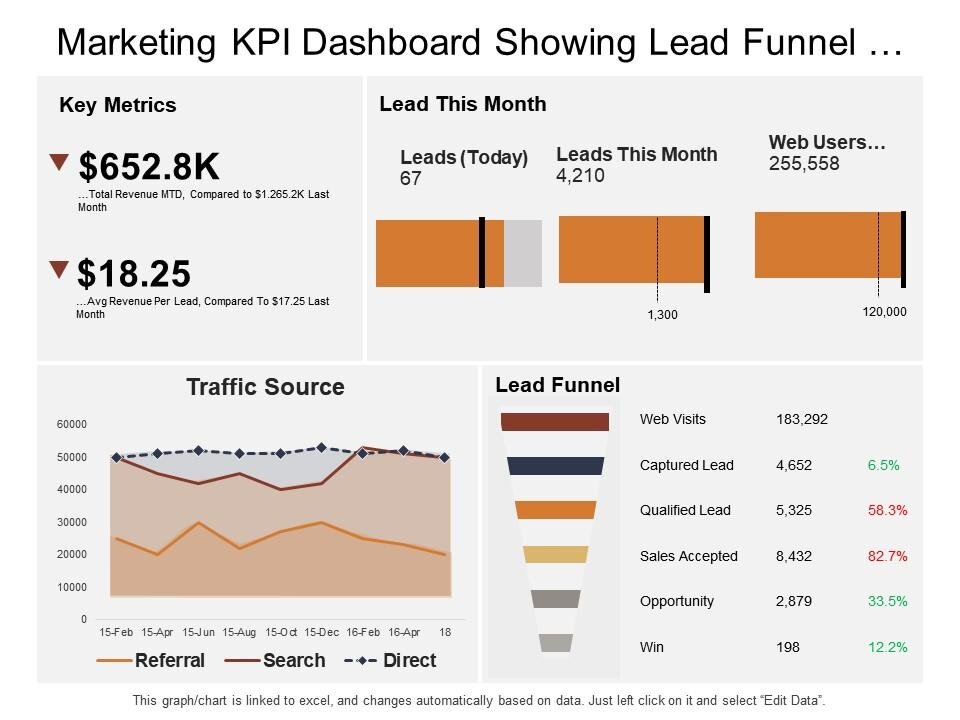
Improving the Marketing funnel depends heavily on accurate measurement, because without clear data, businesses cannot understand what is actually working and what is failing. Measuring performance allows marketers to identify weak points in the customer journey, such as stages where users lose interest or abandon the process. This visibility helps transform the funnel from a static concept into a dynamic system that can be continuously refined to increase efficiency and conversions.
Key metrics explained in detail:
-
Conversion rate per stage:
This metric shows how many users successfully move from one stage of the funnel to the next. A low conversion rate highlights friction points, unclear messaging, or weak offers that need optimization. -
Cost per acquisition (CPA):
CPA measures how much it costs to acquire a single customer through marketing efforts. Monitoring this metric helps businesses control budgets and focus on channels that deliver the highest return. -
Customer lifetime value (CLV):
CLV represents the total revenue a customer generates over time. Comparing CLV with acquisition costs helps determine whether the funnel is attracting profitable customers or not. -
Drop-off percentages:
This metric identifies exactly where users leave the funnel. High drop-off rates signal usability issues, trust gaps, or mismatched expectations that require immediate improvement.
By tracking and analyzing these metrics consistently, businesses can turn their funnel into a powerful growth engine rather than a blind process driven by assumptions.
4 tools to increase conversions throughout your funnel
Optimizing the Marketing funnel requires tools that show how users behave and why they leave. These tools transform raw data into actionable insights.
Tools that support conversion growth:
-
Funnel analytics
-
Heatmaps
-
Session recordings
-
Customer surveys
Marketing funnel examples
Real-world Marketing funnel examples show how different industries apply funnel strategies based on customer behavior and goals. Each business adapts the funnel to fit its model.
Practical examples explained:
-
E-commerce: ads → product pages → checkout
-
SaaS: content → free trial → subscription
-
Services: social media → consultation → conversion
Do you need a consultation about this topic?
Contact on WhatsApp
