
Book a Free Consultation Now
Would you like to know more about this topic?
Contact us on WhatsApp and get a free consultation from our experts
Contact on WhatsApp NowA keywords is a specific word or phrase that users type into search engines to find information, products, or services, and it plays a central role in helping search engines match content with user intent. Using keywords correctly ensures higher visibility, targeted traffic, and better conversion opportunities, which is why Nofal SEO stands out as a leading SEO company by applying advanced research, competitive analysis, and intent-focused strategies to select the most effective terms that deliver measurable growth rather than random visits.
Definition of a Keyword
A keyword is the core term or phrase that users type into search engines when they want to find information, solve a problem, or compare services. In the context of SEO, a keywords selection defines the subject of a webpage and tells search engines exactly what the content should rank for. When chosen correctly, it ensures that content appears in front of users who are already interested, increasing relevance, engagement, and conversions rather than random traffic.
-
Represents the main topic of content
-
Connects user intent with search engines
-
Acts as the foundation of SEO strategy
What Do You Mean by Keywords?
By keywords, we mean the exact language users rely on when expressing their needs online. These words are not marketing inventions but real expressions of problems, interests, and goals. SEO success depends on listening to how people search, not on how businesses describe themselves, which is why user-centric research is essential.
-
Reflect real user thinking
-
Reveal search behavior patterns
-
Shape content relevance
What Are Examples of Keywords?
Examples of keywords differ based on intent, length, and competition, but they all serve the same purpose: matching user searches with relevant content. Broad terms usually attract high traffic but intense competition, while specific phrases bring fewer visitors with stronger intent. Understanding these examples helps businesses avoid targeting terms that look attractive but fail to convert.
-
Broad industry-related terms
-
Brand-focused search phrases
-
Long and specific search queries
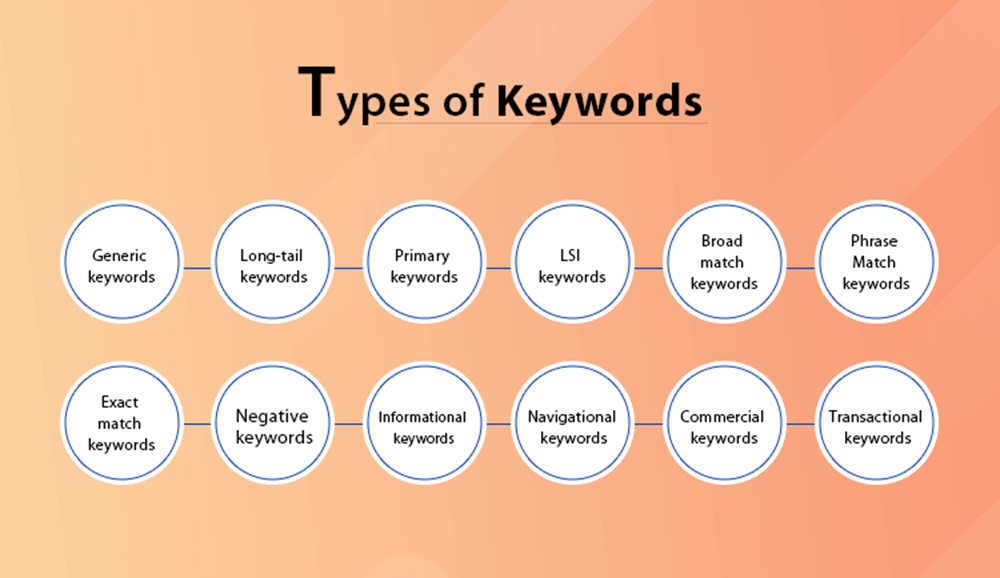
What Are the 4 Types of Keywords?
The four main types of keywords are defined by user intent and correspond to different stages of the buying journey. Understanding these types allows businesses to target users with the right message at the right time, instead of pushing sales content to users who are not ready yet.
-
Informational: learning and research
-
Navigational: brand or website searches
-
Commercial investigation: comparison and evaluation
-
Transactional: action and purchase intent
How do I get keywords?
Getting the right keywords is a structured process that involves research tools, competitor analysis, and user behavior evaluation. Professional agencies such as Nofal SEO rely on real data rather than assumptions, ensuring that selected terms offer both demand and realistic ranking opportunities.
-
Use professional SEO tools
-
Analyze competitor strategies
-
Study audience search behavior
Why Are Keywords Important for Your Business?
Keywords are vital because they determine whether your business is visible or invisible online. Even the best products or services cannot succeed digitally if users cannot find them. A strong keyword strategy drives targeted traffic, supports brand authority, and directly impacts revenue growth.
-
Increase search visibility
-
Attract qualified leads
-
Support long-term business growth
How Do You Choose Keywords on Google?
Choosing keywords on Google requires balancing relevance, search volume, and competition. The goal is not to target the most searched terms, but the most suitable ones that align with your offerings and audience expectations, which is the approach followed by Nofal SEO in professional SEO campaigns.
-
Match user intent accurately
-
Evaluate search demand
-
Assess ranking difficulty
What Do Negative Keywords Mean?
Negative keywords are terms excluded from paid advertising campaigns to prevent ads from appearing in irrelevant searches. This strategy protects advertising budgets and ensures that ads reach users who are more likely to convert rather than those who click without intent.
-
Reduce wasted ad spend
-
Improve targeting precision
-
Increase return on investment
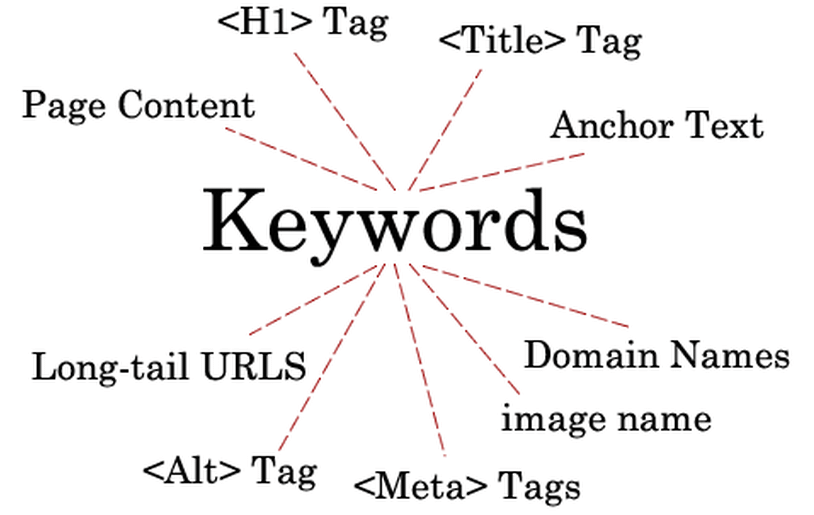
Where Is the Keyword Placed in the Text?
Proper placement of keywords helps search engines understand content hierarchy while keeping the reading experience natural. Strategic placement strengthens relevance signals without risking over-optimization or keyword stuffing.
-
Page titles and headings
-
First part of the content
-
URLs and meta descriptions
Which Words Should We Choose as Keywords?
The most effective keywords are usually nouns or noun phrases that clearly describe the topic of the content. These terms carry meaning and context, making it easier for search engines to match them with relevant search queries.
-
Clear topic identifiers
-
Descriptive noun phrases
-
Intent-focused wording
Tips for Extracting Keywords from Text
Extracting keywords from a text requires identifying the main ideas and repeated concepts rather than isolated words. This process helps reveal what the content is truly about and improves both optimization and clarity.
-
Identify recurring themes
-
Focus on core concepts
-
Ignore filler language
What Are the Best Keyword Research Tools?
The best keyword research tools help identify keywords with strong potential while balancing competition and relevance, making them essential for sustainable SEO success.
-
KWFinder
-
Semrush
-
Moz Keyword Explorer
How to Find the Most Searched Keywords
Finding the most searched keywords depends on analyzing real search data, trends, and seasonality. This ensures content is built around actual demand rather than assumptions or outdated information.
-
Analyze search volume data
-
Track trends over time
-
Compare multiple tools
Useful Google Tools for Keyword Research
Google offers powerful tools that help analyze keywords based on real user data. These tools are essential for understanding how people search and how interest changes over time.
-
Google Ads Keyword Planner
-
Google Trends
-
Google Search suggestions
What Are Good Keywords?
Good keywords are search terms that accurately match user intent, have measurable search demand, and offer a realistic opportunity to rank. They balance relevance, competition, and value, making them effective for driving qualified traffic rather than just high visitor numbers.
-
Highly relevant to the topic
-
Clear user intent
-
Balanced search volume and competition
-
Strong potential for conversions
The Role of Most Searched Keywords in SEO
Most searched keywords play a crucial role in SEO when used strategically, as they help increase visibility and traffic while supporting authority and relevance if aligned with content quality.
-
Improve organic rankings
-
Increase click-through rates
-
Strengthen topical authority
How Do You Define Keywords in Your Strategy?
Defining keywords within an SEO strategy means aligning them with audience needs, content goals, and business objectives. This structured approach is a core strength of Nofal SEO, ensuring SEO efforts result in measurable growth.
-
Understand audience intent
-
Map keywords to funnel stages
-
Align with business goals
What Are Keyword Tools?
Keyword tools are platforms designed to provide insights into keywords, including search volume, competition, and related terms, enabling data-driven SEO decisions.
-
Support research and planning
-
Provide competitive insights
-
Reduce guesswork
What Are the 7 Keys of Marketing?
The 7 keys of marketing, often referred to as the 7Ps of Marketing, represent the core elements businesses must manage to successfully promote and sell their products or services.
These keys ensure a balanced strategy that focuses on both customer needs and business objectives, while using keywords strategically to align marketing messages with audience intent and market demand.
1. Product
The product is what your business offers to solve a problem or fulfill a need. It includes features, quality, design, branding, and value proposition. A strong product must clearly differentiate itself from competitors.
-
Solves a specific customer problem
-
Delivers clear value
-
Matches market expectations
2. Price
Price defines how much customers are willing to pay and directly affects profitability and brand perception. It should reflect value, competition, and target audience expectations.
-
Competitive and realistic
-
Aligned with perceived value
-
Supports business goals
3. Place
Place refers to how and where the product is delivered to customers. This includes distribution channels, platforms, and accessibility.
-
Online and offline channels
-
Ease of access for customers
-
Efficient distribution strategy
4. Promotion
Promotion covers all communication methods used to attract and persuade customers, including advertising, content marketing, SEO, and social media.
-
Builds brand awareness
-
Communicates value clearly
-
Drives engagement and demand
5. People
People include everyone involved in delivering the product or service, from staff to customer support. Their skills and attitude directly impact customer experience.
-
Trained and customer-focused teams
-
Strong communication skills
-
Consistent brand representation
6. Process
Process refers to the systems and workflows that deliver the product or service. A smooth process increases trust and customer satisfaction.
-
Clear and efficient steps
-
Consistent service delivery
-
Reduced friction for customers
7. Physical Evidence
Physical evidence includes all tangible elements that reinforce trust, such as branding, website design, reviews, and documentation.
-
Professional brand appearance
-
Social proof and credibility
-
Consistent visual identity
Do you need a consultation about this topic?
Contact on WhatsApp
