

Book a Free Consultation Now
Would you like to know more about this topic?
Contact us on WhatsApp and get a free consultation from our experts
Contact on WhatsApp NowWhat is a store visit in Google Ads?
A store visit in Google Ads represents a measurable offline action where a user who has seen or interacted with an ad later visits a physical business location. This concept is designed to help advertisers understand how digital exposure translates into real-world behavior, especially for businesses that rely on walk-in customers. By using aggregated and anonymized location data, Google can model user movement patterns and estimate in-store visits without invading individual privacy. This makes Store visit ads a critical bridge between online advertising efforts and physical store performance.
At its core, a store visit is not just about traffic volume but about intent fulfillment. It reflects the moment when online interest becomes offline action, giving advertisers a clearer picture of campaign effectiveness beyond clicks and impressions. For retailers, restaurants, clinics, and multi-location brands, this metric helps validate whether advertising spend supports actual footfall rather than surface-level engagement.
To fully understand how store visits function inside Google Ads and why they matter for local businesses, the following points explain the concept in more depth:
-
How Google defines a qualified store visit and differentiates it from casual proximity
-
The relationship between ad interaction timing and physical entry into a store
-
The types of businesses that benefit most from store visit measurement
-
How store visits differ from online conversions like clicks or form submissions
What Is Store Visit Tracking?
Store visit tracking is the process used by Google Ads to measure how online advertising influences real-world customer behavior, specifically visits to physical store locations. This system relies on aggregated location signals, behavioral patterns, and advanced modeling to estimate when users who interacted with ads later visit a store. The main goal is to help advertisers understand the offline impact of their digital campaigns and evaluate performance beyond clicks and impressions. Within this framework, Store visit ads play a central role in connecting ad exposure with in-store activity and local customer movement.
From a growth perspective, store visit tracking enables smarter decision-making by revealing which campaigns, keywords, and locations are actually driving foot traffic. Using local search intent, offline conversion tracking, location-based advertising, and foot traffic attribution, businesses can refine their targeting and budgets more effectively. At Nofal Seo, we leverage these insights to build high-performance local Google Ads strategies, align campaigns with real customer behavior, and help brands maximize store visits rather than wasting spend on unqualified traffic.
Key points to understand store visit tracking include:
-
How Google models store visits using anonymized location data and behavioral signals
-
The role of proximity, timing, and ad interaction in visit attribution accuracy
-
How store visit tracking supports smarter bidding and budget allocation
-
Why verified store locations improve data reliability and campaign performance
-
How integrating tracking insights with professional campaign management increases ROI
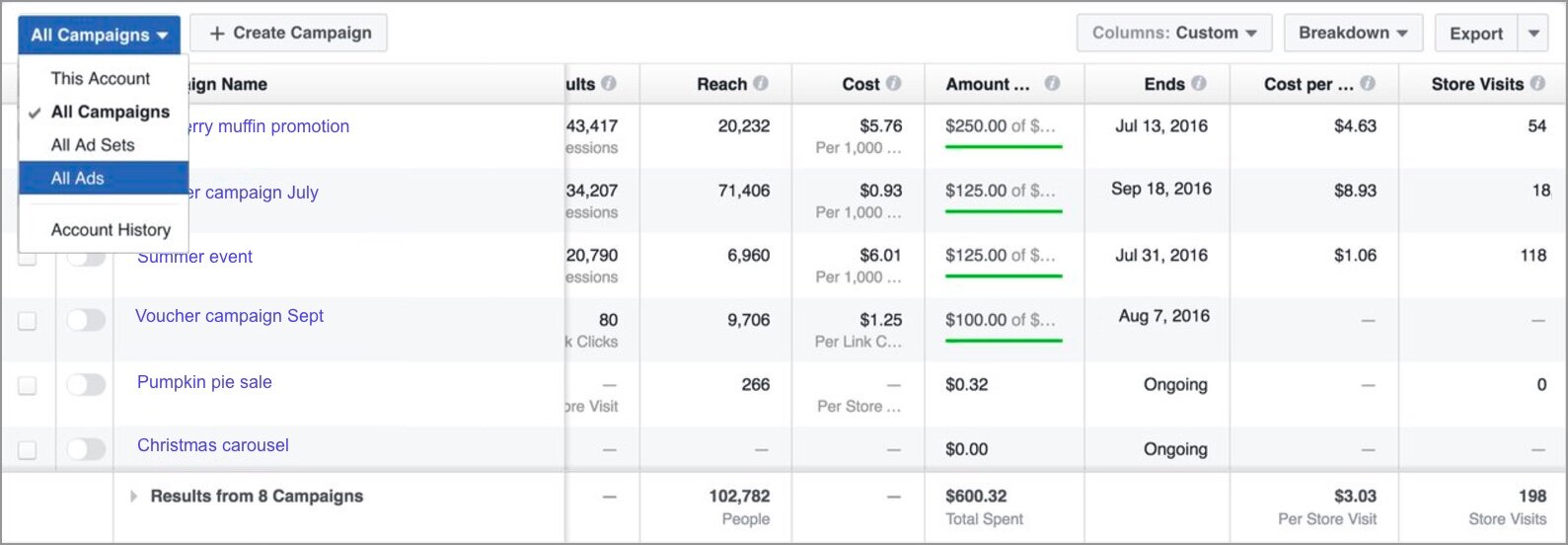
Why Store Visit Tracking Matters
Store visit tracking matters because it connects digital advertising efforts with real-world customer behavior, allowing businesses to see the true impact of their campaigns beyond online metrics. Many advertisers focus on clicks, impressions, or website visits, but these indicators alone do not show whether ads are driving customers into physical locations. By analyzing modeled visit data, businesses gain clarity on how advertising influences foot traffic and in-store demand. In this context, Store visit ads become essential for brands that depend on walk-in customers and need proof that their marketing spend leads to tangible offline results.
Understanding why store visit tracking matters helps advertisers shift toward outcome-based marketing strategies. It enables smarter budget allocation, better campaign prioritization, and clearer performance evaluation across locations. When combined with local marketing performance, offline attribution, customer journey analysis, physical store analytics, and location-driven advertising, store visit tracking supports long-term growth by focusing on what truly drives revenue: real customers entering real stores.
Key reasons store visit tracking is important include:
-
It bridges the gap between online ads and offline customer behavior
-
It helps measure real ROI instead of relying on surface-level engagement metrics
-
It identifies which campaigns and locations generate the highest in-store demand
-
It supports better budget optimization based on physical performance
-
It improves strategic decision-making for multi-location and local businesses
-
It validates advertising effectiveness where foot traffic is the primary goal
Eligibility Requirements For Store Visit Tracking
Eligibility requirements for store visit tracking determine whether a Google Ads account can access and use store visit measurement effectively. Google applies these requirements to ensure data accuracy and user privacy, relying on sufficient location signals and account history to model visits reliably. Businesses must meet specific thresholds related to ad interaction volume, verified physical locations, and geographic presence before store visits can be reported. Within these conditions, Store visit ads function as a qualifying campaign type that supports accurate modeling of in-store activity.
Meeting eligibility requirements is not only a technical step but also a strategic one. Advertisers that prepare their accounts correctly gain access to deeper insights and stronger optimization opportunities. By aligning Google Business Profile verification, location extensions, local search campaigns, offline conversion readiness, and store traffic optimization, Nofal Seo helps businesses structure their accounts to meet eligibility standards faster and use store visit data as a reliable performance indicator rather than a limited feature.
To qualify for store visit tracking, advertisers should ensure the following:
-
Verified and accurately maintained physical store locations
-
Active location extensions linked to Google Ads campaigns
-
Sufficient ad interaction and foot traffic volume for reliable modeling
-
Consistent campaign activity across supported geographic areas
-
Compliance with Google’s privacy and data usage policies
-
Professional account setup to maintain long-term eligibility and data stability
Are Google store visits discontinued?
Many advertisers ask whether Google store visits have been discontinued due to changes in reporting, attribution models, or privacy policies. The short answer is that store visits have not been removed, but the way they are measured and displayed has evolved over time. Google continues to support store visit measurement using aggregated and modeled data, ensuring compliance with privacy standards while still providing valuable insights. Within this framework, Store visit ads remain an active and supported way to evaluate how digital campaigns influence physical store traffic rather than relying solely on online engagement.
What has changed is visibility and eligibility, not availability. Store visit metrics now depend more heavily on data thresholds, account quality, and verified locations, which can cause some advertisers to temporarily lose access if requirements are not met. By focusing on Google Ads store visits, offline conversion measurement, local campaign eligibility, location signal modeling, and privacy-safe attribution, Nofal Seo helps businesses maintain access to store visit reporting and adapt their strategies to Google’s updated measurement environment without losing performance or insight.
To understand the current status of Google store visits, consider the following:
-
Why store visits still exist but may not appear in all accounts
-
How privacy updates have influenced reporting visibility
-
The role of data thresholds in enabling store visit metrics
-
Common reasons advertisers think the feature was discontinued
-
How account structure affects long-term access to store visit data
-
What businesses can do to retain or regain store visit reporting
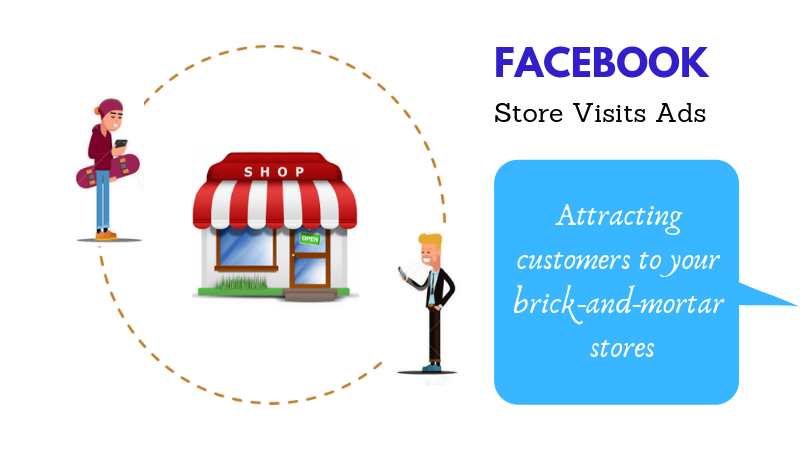
Strategies for Driving Store Visits
Driving store visits requires more than running ads—it requires aligning messaging, targeting, and timing with real-world customer intent. Effective strategies focus on reaching users when they are most likely to visit a nearby location, such as during high-intent searches or moments of local need. By using proximity-based targeting, location extensions, and relevant offers, advertisers can influence decisions at the exact moment customers are ready to act. In this context, Store visit ads serve as a practical tool for turning online interest into physical foot traffic.
Successful store visit strategies combine smart targeting with performance optimization and consistent local presence. Businesses that invest in local search optimization, geo-targeted advertising, store traffic campaigns, location-based bidding, and in-store promotion alignment achieve stronger results. Through Nofal Seo, brands implement data-driven strategies that connect ad messaging with real customer behavior, ensuring campaigns are built to drive visits, not just impressions, and to convert local intent into measurable store traffic.
Effective strategies for increasing store visits include:
-
Using proximity and radius-based targeting to reach nearby users
-
Aligning ad messaging with local intent and immediate needs
-
Leveraging location extensions and accurate business profiles
-
Optimizing bids based on high-performing locations and times
-
Combining online promotions with in-store availability
-
Continuously testing and refining campaigns to maximize foot traffic
Optimizing Your Campaigns for Store Visits
Optimizing campaigns for store visits focuses on improving how ads influence real-world customer movement rather than just online interactions. Once campaigns are live, optimization becomes critical to ensure budgets are driving actual foot traffic to physical locations. This process involves analyzing performance by location, adjusting bids based on proximity and intent, and refining ad messaging to match local needs. Through continuous optimization, Store visit ads help advertisers maximize the likelihood that users who see ads will take the next step and visit a nearby store.
Effective optimization requires a balance between data analysis and strategic execution. By leveraging local bid adjustments, geo-based optimization, store traffic campaign performance, location signal analysis, and offline attribution insights, Nofal Seo helps businesses fine-tune campaigns to prioritize high-performing areas and reduce wasted spend. This approach ensures that advertising efforts consistently support physical growth, improve in-store demand, and align digital strategy with real customer behavior.
Key areas to focus on when optimizing store visit campaigns include:
-
Adjusting bids based on location performance and proximity signals
-
Refining ad copy to align with local intent and immediate needs
-
Optimizing scheduling to target high-traffic times and days
-
Improving location accuracy through verified business profiles
-
Analyzing campaign data to identify underperforming areas
-
Continuously testing formats and messaging to increase foot traffic
How to Measure and Optimize Foot Traffic Campaigns
Measuring and optimizing foot traffic campaigns allows advertisers to understand how well their ads drive real-world visits and how to improve performance over time. Measurement relies on modeled data that connects ad exposure with in-store visits, helping businesses evaluate the effectiveness of their campaigns beyond digital-only metrics. By analyzing trends across locations and time periods, advertisers gain insights into customer behavior and store performance. In this measurement process, Store visit ads provide the foundation for evaluating offline success and guiding optimization decisions.
Optimization based on foot traffic data enables smarter growth strategies by identifying what truly influences in-store demand. Using foot traffic analytics, offline performance measurement, store visit attribution, location-based insights, and local campaign reporting, Nofal Seo helps businesses turn data into action. This ensures campaigns evolve based on real outcomes, budgets are allocated efficiently, and advertising decisions are driven by measurable visits rather than assumptions.
To effectively measure and optimize foot traffic campaigns, focus on the following:
-
Monitoring store visit trends across locations and time periods
-
Comparing campaign performance to identify high-impact strategies
-
Using attribution data to refine targeting and bidding decisions
-
Aligning measurement insights with business goals and revenue data
-
Continuously optimizing campaigns based on real-world outcomes
-
Leveraging professional analysis to maintain long-term performance growth
Store Visit Ads
In order to make advertisements for store visits, we had to create the “Stors” that we created.
- From the Campaigns page, click on Create.
- Then we choose the “Store traffic” campaign, then we select the page we are working on, and only the pages that you have created “Stors” will appear, then we click on “Continue” as we see:

- From the next page, we choose the campaign name (store visits) and leave the rest of the page as it is.
- We go directly to the “Ad Set” on this page. The first thing we notice is that it shows us the page we have chosen. We made a “store” on it as we can see:
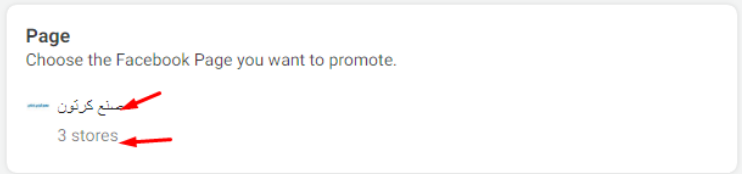
- The next step asks to select the “Store sets” that you want to make advertisements for store visits. We will assume that we will choose Cairo branches as we see:
- We can make “Store sets” from the same place by “Create a new store set” as we can see:

- After that, we define the budget in the usual way.
- Then we go to the audience or the “Audience”, and we find that in the public clause, the “Locations” are not found, as we see:

- This is because here you are making advertisements for store visits, so the audience surrounding the addresses of the branches or stores that you have selected will be targeted. There is no need to determine the whereabouts of the audience because they are already specific to the addresses and places of the “Store” that you have specified.
target a geographical area instead
- But you can cancel this selection by clicking on “target a geographical area instead”. By clicking on this option, you can specify the targeting
- places you want as you want in the usual, recognized way.
- Scrolling down to the bottom of the page, we find the “Placements”, we leave it as it is automatic, and the Optimization & “delivery” as they are.
- We return to the advertisement itself and complete the rest of the steps. We select the page on which you want to make advertisements for store visits.
- We come to choosing the “Ad voice” and it asks you to select the page that you want to appear in the advertisement, is it the main page or the “main page” and here the name of the main page I am working on will appear by clicking on the advertisement, it will direct people, each individual according to the place closest to him.
- Or you choose the “Local Pages” or sub-pages, and here the ad will appear with the name of the sub-page you selected, for example. (Cairo branches), but it is better to choose the “Main Page” and it directs the audience each according to his location.
- We go to the “Ad setup Format” and choose the type of advertisement you want, “Single image, Carousel, or Collection.” We choose what we want, for example, “Single image”, we choose the image.
- Then type the “Primary text” and select the “Headline” as we already knew.
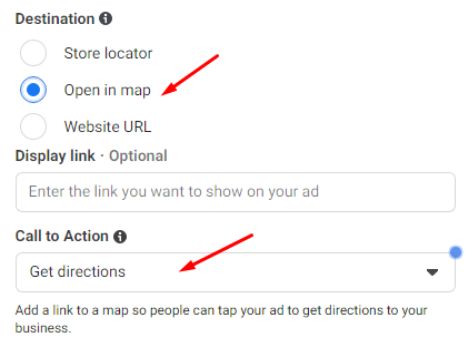
- We come to the Destination and it asks you to specify who will press the “Call to action” to go to any available options. Does the store locator open the store’s location for him and not display the “Open in map” map of the store’s location via the “gps” of the phone The customer, or “Website URL”, that the person in this case directs the person to visit the store’s website only, and here the advertisement loses its advantage as advertisements for store visits because the main objective of this type of advertisement is to urge and direct people to the locations of the advertised store’s branches. It is supposed to open a map for the user. In this case, “Open in map” is the correct choice.
- Now the “Call to Action” button becomes a “Get direction” that will direct the user to the store map, as we can see:
Store Visit Ads
- Finally, it is ready. Once you click on “publish” or “publish”, the advertisement will be reviewed, approved and published.
- When you press the “Send notification” button, it will send a notification to the Facebook account, as we can see:

- When you open the advertisement on the mobile, it will appear to you in this way, and the “call to action” key or the interaction key is the “Get direction” as we see:

- By pressing the “Get direction” button, it will open the “Map” of the Astor location near your place, as you can see:
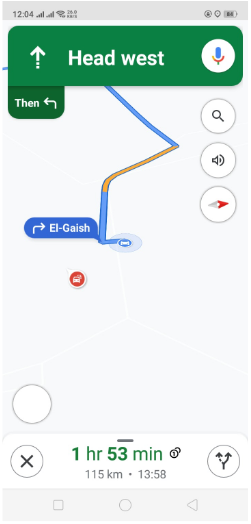
Thus, we have tested the validity of the store visit ads that we have created. Learn now to track conversions on Facebook Pixel.
Do you need a consultation about this topic?
Contact on WhatsApp
