
Create Saved Audiences on Facebook
Book a Free Consultation Now
Would you like to know more about this topic?
Contact us on WhatsApp and get a free consultation from our experts
Contact on WhatsApp NowCreate Saved Audiences is the process of defining and storing specific audience targeting criteria—such as demographics, interests, behaviors, and locations—so they can be reused across multiple advertising campaigns without rebuilding settings each time. This approach helps advertisers maintain consistent targeting, save setup time, and scale campaigns more efficiently while improving overall ad relevance. Businesses that want to implement saved audiences correctly and align them with data-driven targeting strategies often rely on Nofal Seo to build structured, performance-focused audience frameworks that maximize advertising results.
What Is a Saved Audience?
A saved audience is a predefined group of users created based on shared characteristics such as location, age, gender, language, interests, and behaviors. Instead of rebuilding targeting settings for every new campaign, advertisers can define these parameters once and reuse them across multiple ad sets. When marketers Create Saved Audiences, they establish a repeatable targeting structure that supports scalability and consistency across advertising campaigns.
From a strategic advertising perspective, saved audiences are mainly used for prospecting and reaching new users who have not interacted with the brand before. They rely on interest-based targeting, demographic targeting, and geographic targeting rather than owned customer data. Many businesses work with Nofal Seo to structure saved audiences properly, ensuring that audience segmentation aligns with campaign goals and improves overall ad relevance.
Key characteristics and use cases of saved audiences include:
-
Targeting users based on interests, demographics, and behaviors
-
Reaching cold audiences at the awareness and consideration stages
-
Reusing the same audience setup across multiple campaigns
-
Testing different audience segments without rebuilding settings
-
Supporting scalable advertising strategies
Types of Saved Audiences in Sprinklr
Saved audiences in Sprinklr are categorized based on how they are used across paid, organic, and controlled-access campaigns. This classification helps marketers choose the correct targeting approach depending on the campaign objective and channel type. When advertisers Create Saved Audiences in Sprinklr, they select an audience type that matches whether the campaign is promotional, organic, or restricted, ensuring accurate targeting from the start.
This classification supports better audience segmentation, campaign planning, and cross-channel targeting, especially for businesses managing multiple platforms. Many brands rely on Nofal Seo to design these audience structures correctly, ensuring each audience type aligns with the appropriate funnel stage and campaign objective.
Sprinklr supports the following types of saved audiences:
-
Paid Saved Audiences
Used for paid advertising campaigns across platforms such as Facebook, LinkedIn, TikTok, and Snapchat, focusing on interest and demographic targeting. -
Organic Saved Audiences
Used for distributing organic content to specific audience segments without paid promotion. -
Gating Saved Audiences
Used to control or restrict access to specific content, campaigns, or experiences based on defined criteria.
Why Use Saved Audiences in Advertising?
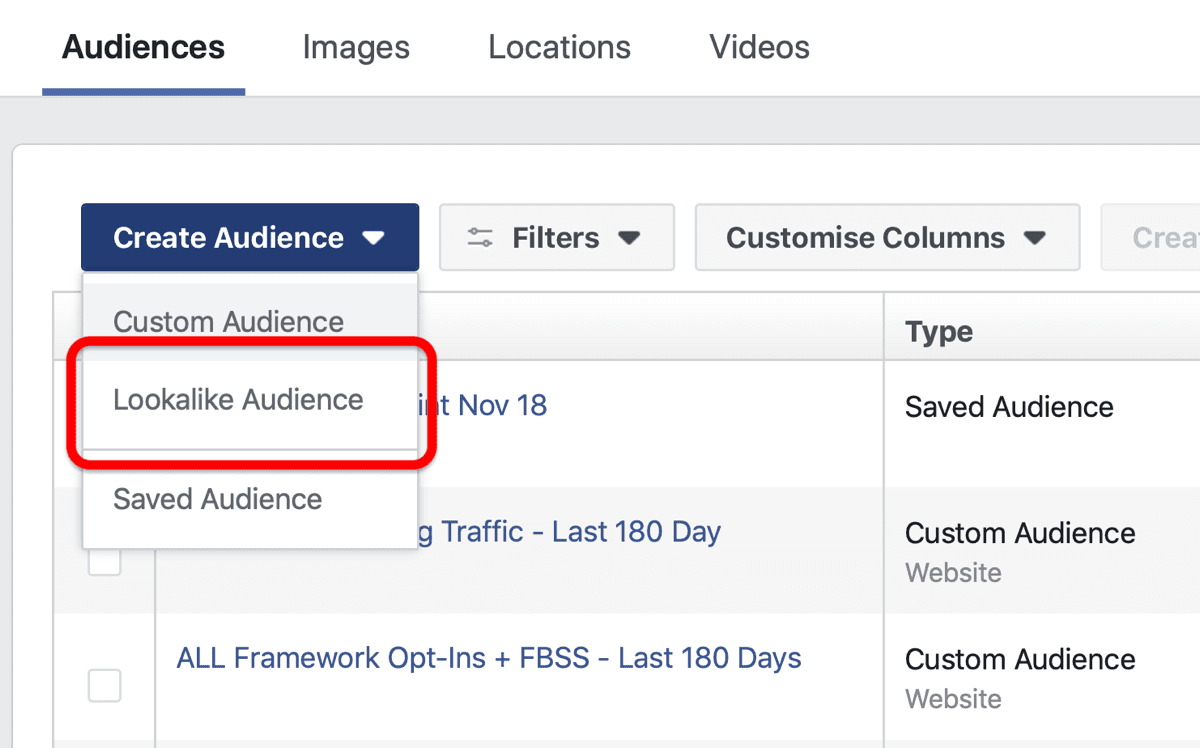
Saved audiences are essential for advertisers who want consistency and efficiency across campaigns. Instead of manually rebuilding targeting criteria every time a new campaign or ad set is created, saved audiences allow marketers to reuse the same targeting structure with a single click. When advertisers Create Saved Audiences, they reduce setup time, avoid targeting mistakes, and ensure that campaigns follow a unified targeting strategy aligned with business goals.
From a performance standpoint, saved audiences help advertisers focus on optimization rather than configuration. They make it easier to duplicate successful campaigns, compare performance across similar audience segments, and maintain stable targeting logic while testing creatives, budgets, or placements. This approach is especially valuable for brands running large-scale or long-term advertising campaigns.
Key reasons advertisers rely on saved audiences include:
-
Faster campaign and ad set creation
-
Consistent targeting across multiple campaigns
-
Reduced human error in audience setup
-
Easier duplication of high-performing campaigns
-
Better organization of targeting strategies
How to create a custom audience?
Creating a custom audience allows advertisers to target people who have already interacted with their brand through websites, apps, customer lists, or social engagement. Unlike interest-based targeting, this method focuses on real user behavior and first-party data. While Create Saved Audiences is mainly used for defining reusable targeting rules, custom audiences are built to reconnect with users who already showed intent or interest.
Custom audiences play a major role in remarketing campaigns, retargeting strategies, and conversion optimization. Businesses often work with Nofal Seo to combine custom audiences with funnel-based advertising strategies that guide users from initial interest to final conversion.
Custom audiences are a core element in remarketing and conversion-focused campaigns. They help advertisers deliver more relevant messages to users who visited a website, added products to a cart, watched videos, or interacted with ads. This approach improves ad relevance, increases conversion rates, and reduces wasted ad spend by focusing on high-intent users instead of broad audiences.
To create a custom audience effectively, follow these steps:
-
Go to the Ads Manager and open the Audiences section
-
Click Create Audience and select Custom Audience
-
Choose the data source (Website, App Activity, Customer List, or Engagement)
-
Define the specific action or event (page visits, purchases, video views, form submissions)
-
Set the audience retention period based on your campaign goals
-
Name the audience clearly for easy identification
-
Save the audience and apply it to remarketing or conversion campaigns
Using custom audiences correctly allows advertisers to build stronger connections with users, guide them through the funnel, and maximize return on advertising spend.
What is the difference between saved audience and custom audience on Facebook?
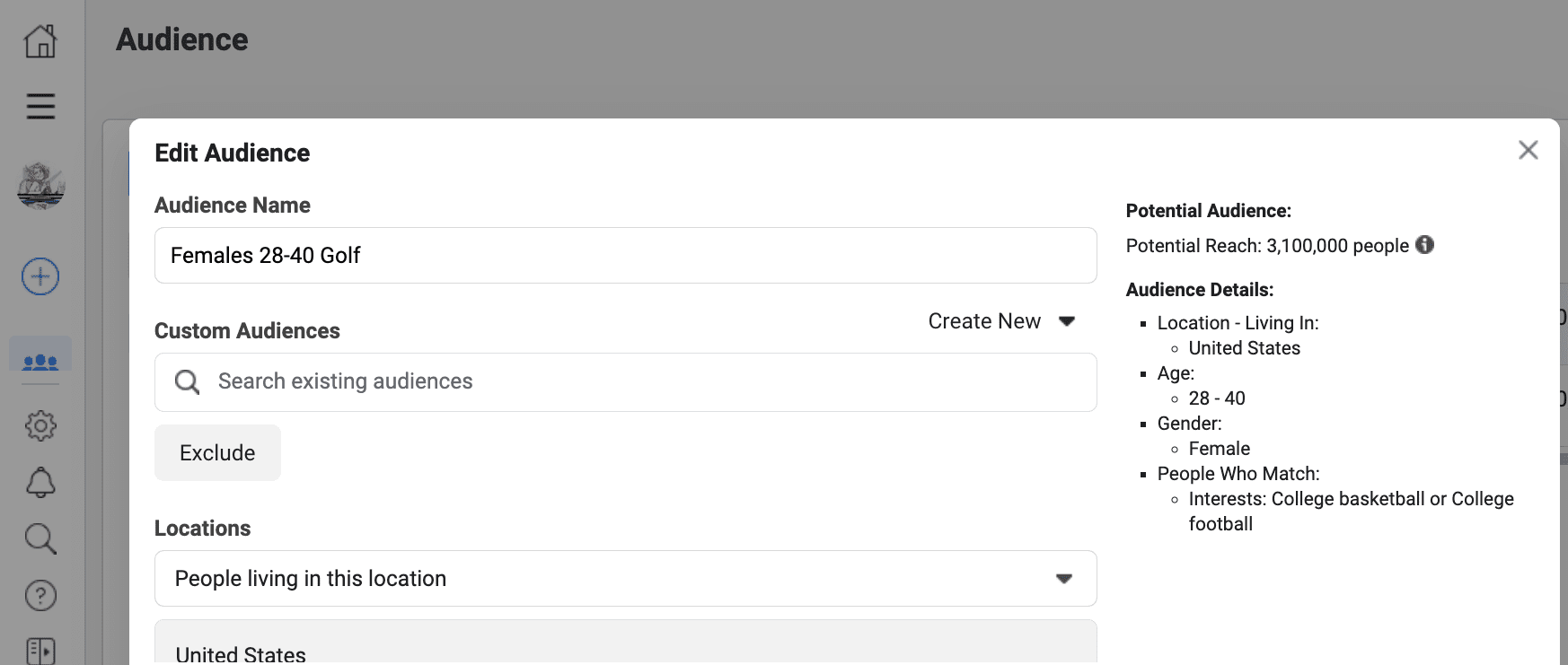
Saved audiences and custom audiences serve different purposes within Facebook advertising, even though both are used for targeting. Saved audiences are built using platform-based criteria such as interests, demographics, and locations, while custom audiences rely on actual user data. When advertisers Create Saved Audiences, they are targeting potential customers who match a profile, not necessarily users who have interacted with the brand before.
Understanding this difference helps advertisers allocate budgets more effectively across the marketing funnel. Saved audiences are more suitable for awareness campaigns, whereas custom audiences perform better in consideration and conversion stages. This strategic separation is often planned by Nofal Seo to maximize return on ad spend.
Key differences between saved audiences and custom audiences include:
-
Saved audiences target cold users; custom audiences target warm users
-
Saved audiences use interests and demographics; custom audiences use real user data
-
Saved audiences are ideal for awareness; custom audiences are ideal for remarketing
-
Saved audiences are reusable targeting rules; custom audiences are behavior-based lists
Paid Saved Audiences
Paid saved audiences are specifically designed for paid advertising campaigns across social media platforms. They allow advertisers to define detailed targeting rules such as demographics, interests, behaviors, and locations, then reuse those rules across multiple paid campaigns. When marketers Create Saved Audiences for paid media, they ensure that targeting remains consistent across platforms and ad sets.
From a paid media strategy perspective, paid saved audiences support interest-based targeting, behavioral targeting, and demographic segmentation at scale. Agencies like Nofal Seo often rely on paid saved audiences to standardize targeting frameworks for clients running campaigns on Facebook, LinkedIn, TikTok, and other platforms.
Paid saved audiences typically include:
-
Platform-specific targeting options
-
Interest and behavior filters
-
Demographic and geographic criteria
-
Reusable audience configurations for ads
-
Compatibility with multiple ad accounts
Organic Saved Audiences
Organic saved audiences are used to control the visibility of non-paid content on social platforms. Instead of boosting posts with ads, marketers can define which audience segments should see organic content based on platform-supported targeting options. When advertisers Create Saved Audiences for organic use, they gain better control over content distribution without paid promotion.
From a content strategy perspective, organic saved audiences help improve organic reach, content relevance, and engagement rates by ensuring that posts are shown to users who are more likely to interact. Businesses working with Nofal Seo often integrate organic audience targeting into broader content and engagement strategies to support long-term brand growth.
Organic saved audiences are commonly used for:
-
Targeting organic posts to specific user segments
-
Improving engagement on social content
-
Aligning content visibility with audience interests
-
Supporting community and brand-building efforts
How to Set Visibility and Permissions for Saved Audiences
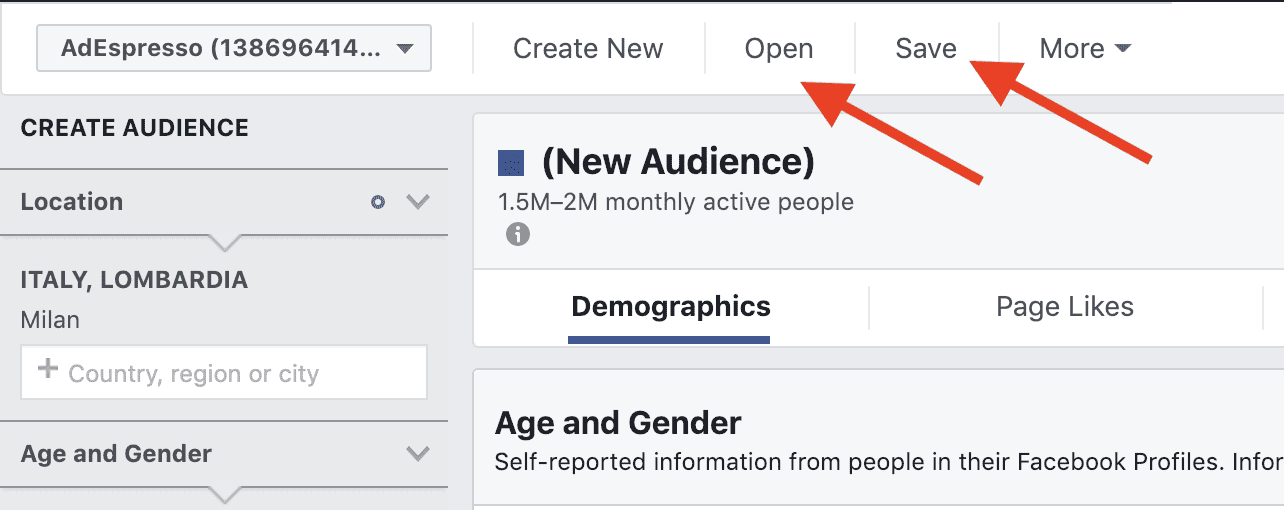
Setting visibility and permissions determines who can view, use, or edit saved audiences within an organization. This is especially important for teams managing multiple accounts, regions, or clients. When teams Create Saved Audiences, they must decide whether those audiences are accessible globally or restricted to specific users or workspaces.
From an operational standpoint, proper permission management improves team collaboration, account security, and workflow efficiency. Agencies like Nofal Seo implement structured permission settings to ensure that audience assets are used correctly and consistently across teams.
Visibility and permission settings usually allow you to:
-
Control who can view saved audiences
-
Define who can edit or modify audiences
-
Share audiences across workspaces or teams
-
Prevent accidental changes to core targeting assets
Why Should You Use Saved Audiences in Advertising Campaigns?
Saved audiences are a foundational element of scalable advertising systems. They allow advertisers to move quickly, maintain targeting consistency, and focus on performance improvements rather than repetitive setup tasks. When marketers Create Saved Audiences, they establish a long-term targeting asset that supports ongoing campaign optimization.
From a long-term growth perspective, saved audiences improve campaign efficiency, budget control, and performance analysis. By reusing structured audience segments, businesses can better compare results, identify winning audiences, and scale successful strategies. This systematic approach is a core principle applied by Nofal Seo when managing data-driven advertising campaigns.
Key strategic advantages of using saved audiences include:
-
Faster campaign launches
-
Better performance tracking across audiences
-
Consistent targeting logic over time
-
Easier scaling of successful campaigns
-
Improved collaboration between marketing teams
Create Saved Audiences is not just a technical feature—it is a strategic step toward building more efficient, scalable, and data-driven advertising campaigns. By organizing your targeting structure and reusing high-performing audiences, you can save time, improve consistency, and achieve better results across platforms. If you want to implement saved audiences the right way and turn targeting into a real growth asset, partner with Nofal Seo today and start building smarter advertising strategies that deliver measurable results.
Do you need a consultation about this topic?
Contact on WhatsApp
