
Book a Free Consultation Now
Would you like to know more about this topic?
Contact us on WhatsApp and get a free consultation from our experts
Contact on WhatsApp NowWhat is Marketing?
The Meaning of Marketing
Marketing refers to the process of promoting and selling products or services by understanding customer needs, creating value, and building lasting relationships. The importance of marketing lies in its ability to connect businesses with their customers and support long-term growth. It encompasses a wide range of activities, from market research and branding to advertising and customer engagement.
The Role of Marketing in Business
Marketing plays a crucial role in business by:
-
Identifying customer needs and aligning products to meet those needs.
-
Communicating the value of products or services to the target audience.
-
Building and maintaining brand identity.
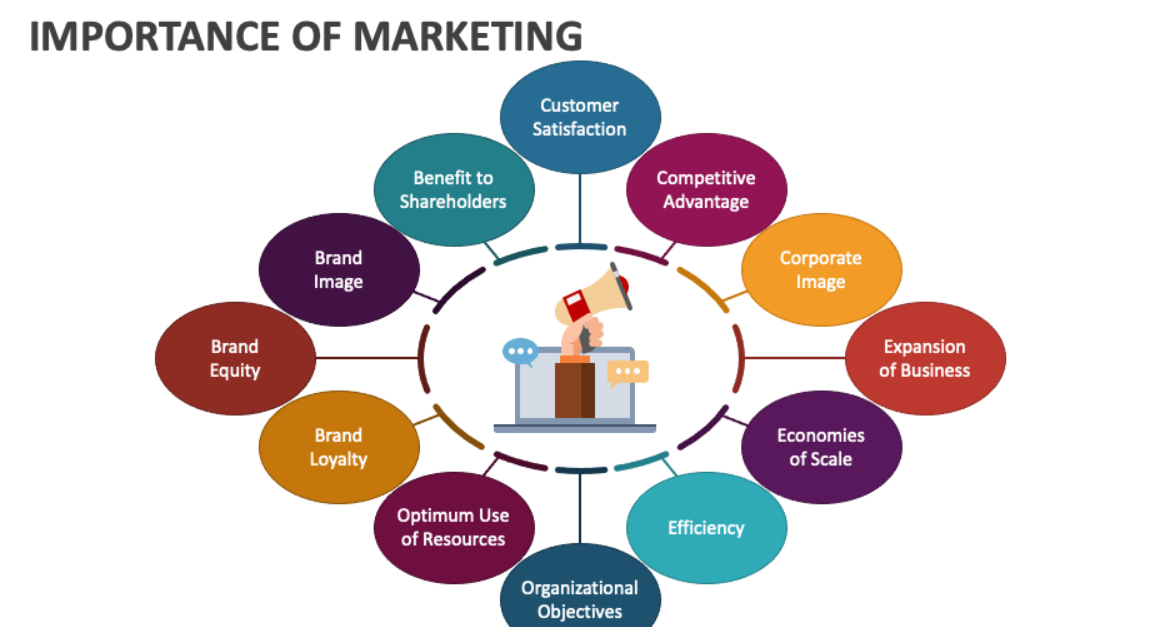
The Importance of Marketing
1. Enhancing Brand Awareness
Marketing helps businesses reach a wider audience by promoting their brand, products, or services. The importance of marketing is clear in building brand recognition and trust through consistent and strategic efforts.
2. Driving Sales and Revenue
Effective marketing strategies attract potential customers and convert them into loyal buyers. By showcasing products in the right way, marketing increases sales and boosts revenue.
3. Building Customer Loyalty
Marketing isn’t just about attracting new customers—it’s also about retaining existing ones. By engaging with customers and meeting their expectations, businesses can foster loyalty and encourage repeat business.
4. Staying Competitive
In a crowded marketplace, marketing helps businesses differentiate themselves from competitors. Through innovative campaigns and targeted strategies, companies can carve out a unique identity.
Read more: E-marketing company
Types of Marketing
1. Digital Marketing
Digital marketing uses online channels like social media, email, and search engines to connect with audiences. The importance of marketing is reflected in how digital strategies such as SEO, content marketing, and PPC advertising help businesses reach and engage customers effectively.
2. Traditional Marketing
Traditional methods include print ads, TV commercials, and billboards. These approaches remain effective for reaching local audiences and specific demographics.
3. Inbound Marketing
Inbound marketing focuses on attracting customers through valuable content and experiences. It involves tactics like blogging, social media engagement, and lead nurturing.
4. Outbound Marketing
Outbound marketing involves reaching out to potential customers through direct efforts like cold calls, emails, and advertisements.
Read more: Email marketing via WhatsApp
Functions of Marketing
1. Market Research
Understanding customer preferences, market trends, and competitor activities is critical for effective marketing. The importance of marketing is evident in how research ensures that strategies are data-driven and aligned with audience needs.
2. Product Promotion
Marketing highlights the unique features and benefits of a product, persuading customers to make a purchase.
3. Pricing Strategies
Determining the right price for a product involves balancing profitability and customer affordability, a key function of marketing.
4. Distribution Channels
Marketing ensures that products reach customers efficiently, whether through retail stores, e-commerce platforms, or direct delivery.
Read more: A complete e-marketing course
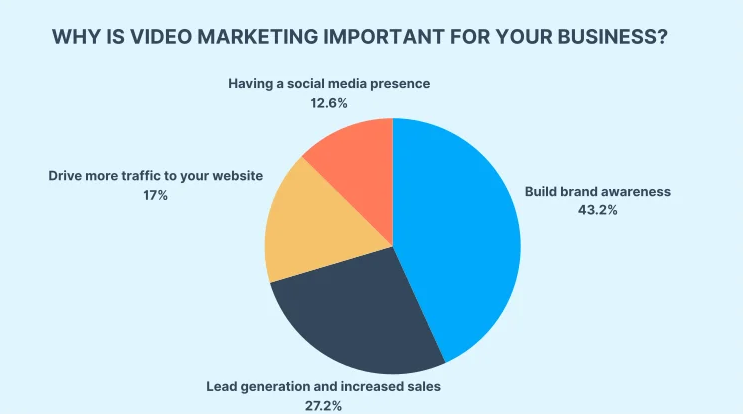
How Marketing Drives Business Growth
Reaching Target Audiences
Marketing strategies are designed to connect businesses with the right audience at the right time, ensuring maximum impact.
Improving Customer Experience
By understanding customer behavior and preferences, marketing helps businesses tailor their offerings for a better experience.
Increasing ROI
Well-planned marketing campaigns maximize return on investment by driving traffic, generating leads, and boosting conversions.
Read more: The importance of e-marketing for companies
The Role of Marketing in Customer Engagement
Building Strong Relationships
Marketing fosters trust and communication between businesses and customers, and The importance of marketing is reflected in its role in paving the way for long-term relationships.
Understanding Customer Needs
Through tools like surveys and feedback, marketing helps businesses understand and address customer pain points effectively.
Fostering Loyalty
By consistently engaging with customers and delivering value, marketing builds loyalty and encourages repeat business.
What is The importance of marketing for Businesses?
-
Builds brand awareness
-
Attracts new customers
-
Increases sales and revenue
-
Creates competitive advantage
-
Supports business growth
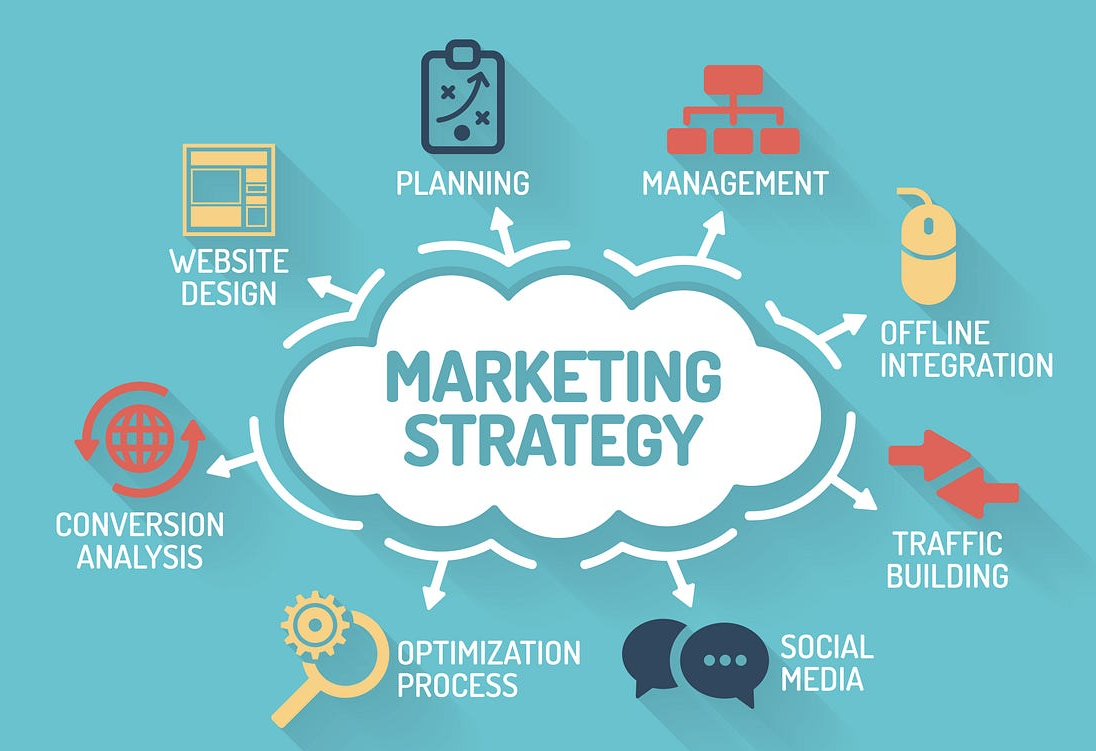
How Marketing Strategies Lead to Success?
Marketing strategies help businesses achieve success by planning and executing effective actions to reach their target audience.
-
Identify the target audience
-
Deliver the right message
-
Use effective marketing channels
-
Improve customer engagement
-
Achieve measurable results
Build Your Career in Marketing
-
Offers diverse job opportunities
-
Develops creative and analytical skills
-
Provides high growth potential
-
Applicable across many industries
-
Keeps you updated with market trends
Objectives of Marketing
-
Increase brand awareness
-
Generate leads
-
Boost sales
-
Retain customers
-
Build strong brand loyalty
Setting Marketing Objectives
-
Define clear and specific goals
-
Align objectives with business goals
-
Use measurable KPIs
-
Set realistic timelines
-
Monitor and evaluate performance
Why NoFalseo is Your Go-To Marketing Partner
1. Expertise in All Types of Marketing
NoFalseo specializes in digital, traditional, inbound, and outbound marketing, offering comprehensive solutions for businesses.
2. Tailored Strategies
Every business is unique, and NoFalseo creates customized marketing plans that align with specific goals and challenges.
3. Proven Success
With a track record of delivering outstanding results, NoFalseo is trusted by businesses across industries.
4. Advanced Tools and Techniques
NoFalseo leverages the latest marketing technologies to ensure campaigns are efficient, impactful, and measurable.
Challenges in Marketing
While marketing is essential, it comes with its challenges:
- High Competition: Standing out in a crowded market requires creativity and consistency.
- Keeping Up with Trends: The digital landscape evolves rapidly, demanding continuous learning and adaptation.
- Resource Limitations: Smaller businesses may struggle with limited budgets, but strategic marketing can help maximize impact.
Read more: Electronic marketing
FAQs About Marketing
What is the primary goal of marketing?
- The main goal of marketing is to connect businesses with their target audiences, build brand awareness, and drive sales.
How does marketing benefit small businesses?
- Marketing helps small businesses reach potential customers, build trust, and compete with larger brands through cost-effective strategies.
Why is customer engagement important in marketing?
- Engaging with customers fosters loyalty, improves satisfaction, and drives repeat business, which is crucial for long-term success.
What are some examples of effective marketing strategies?
- Examples include social media campaigns, email marketing, SEO, and personalized advertising.
Why choose NoFalseo for marketing services?
- NoFalseo offers tailored solutions, advanced tools, and a proven track record, making it the ideal partner for any business.
In a competitive market, understanding The importance of marketing is key to achieving real business growth and building a strong brand. If you’re looking for measurable results and professionally managed marketing strategies, Nofal SEO is your trusted partner in Egypt. Contact Nofal SEO today and turn marketing into sustainable business growth.
Read more: How do I start e-marketing?
Do you need a consultation about this topic?
Contact on WhatsApp
